
Meet the 2026 Winners
These outstanding teams turned bold ideas into practical solutions, demonstrating the power of engineering
and innovation to tackle real-world humanitarian challenges.
First Place
Team 15C – Bula Coders
Ammaar Mohammed, Vika Bunoa, Serai Lagilagi
The University of the South Pacific
Second Place
Team 29B – PacificTwin
Anshika Godara, Rakshita Singh, Ana Petkovska
University of Sydney
Third Place
Team 39B – Boi Koro
Zac Allen, Aryan Naryanan, Med Sekhri
University of Queensland
Our 2026 Finalists
Congratulations to all the teams selected as finalists in the 2026 Humanitarian Innovation Hackathon. After an outstanding round of submissions, our judges have chosen the teams that will advance to the Grand Final.
Thank you to everyone who participated, and congratulations to our finalists. We wish you the very best of luck!
Aahana Rai and Preetam Sharma
Edith Cowan University
Luca Morrow, Reeyansh Bajracharya and Agrim Sharma
Torrens University, University of Adelaide & University of Sydney
Oscar Whatmough, Aditi Khedkar and Chloe Cooke
University of Sydney
Michelle Nguyen, Zeena Li, Ashwini Bineesh and Ga Young Jeong
University of Sydney
Ansh Singh
University of Sydney
Jackson Dumesich, Xavier de Cruz and Jack Li
University of Sydney
Zac Allen, Aryan Naryanan and Med Sekhri
University of Queensland
Skyla Susanto, Ren Ai Lee, Christine Lee
Macquarie University
Anshika Godara, Rakshita Singh and Ana Pektovska
University of Sydney
Ammaar Mohammed, Vika Bunoa and Serai Lagilagi
The University of the South Pacific
Colum Ryan, Datis Nabavi and William Sandral
University of Sydney and University of Technology Sydney
Julia Zhang, Amy Combs and Jess Macgregor
University of Sydney
2026 Hackathon Challenges
Discover this year’s humanitarian challenges and the opportunities they present. Each brief provides the background, key considerations and problem statement to help guide your team’s ideas.
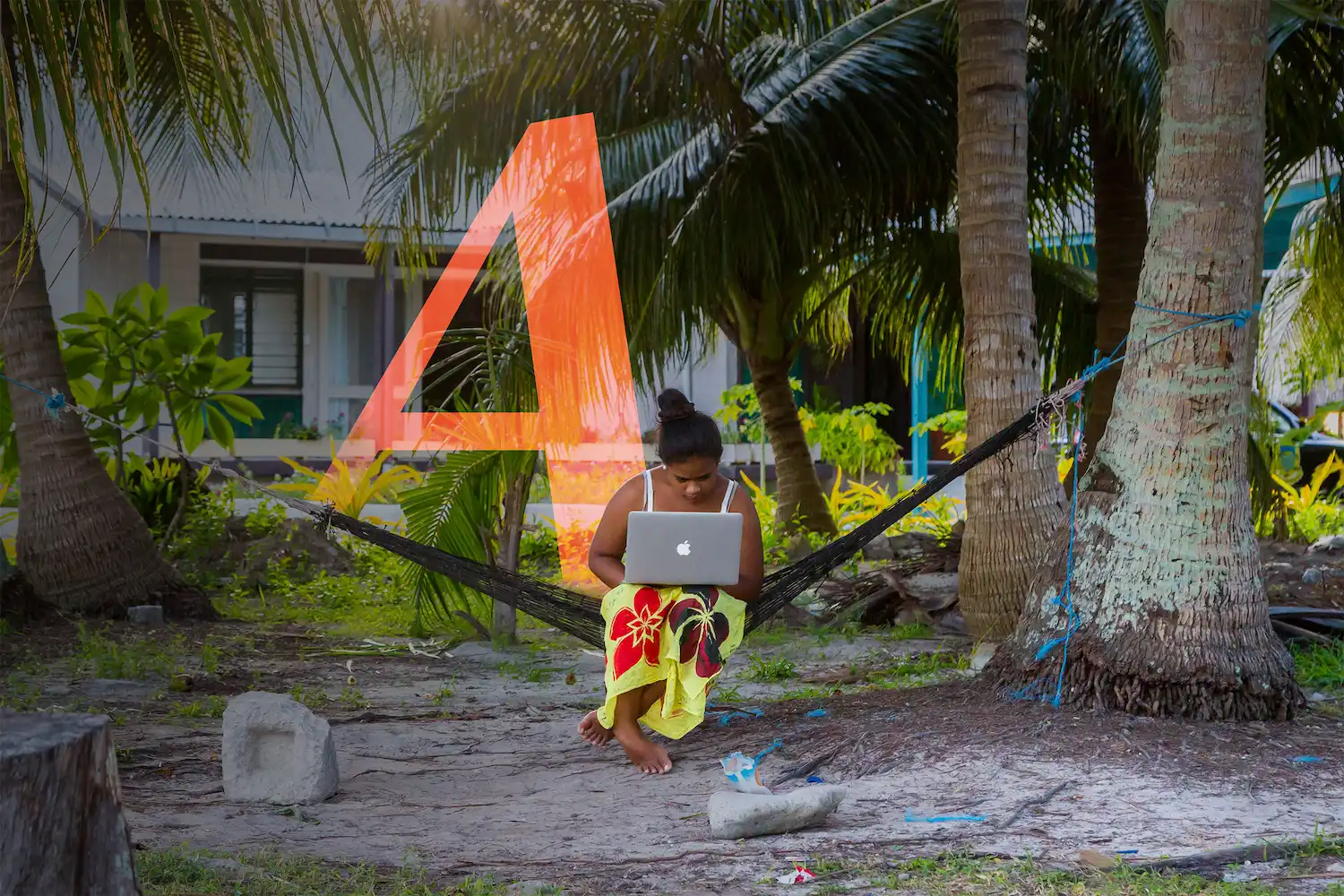
Challenge A
Supporting the adoption of AI across
non-governmental organisations (NGOs)

Challenge B
Employing digital twins for rural communities to assist in climate change adaptation
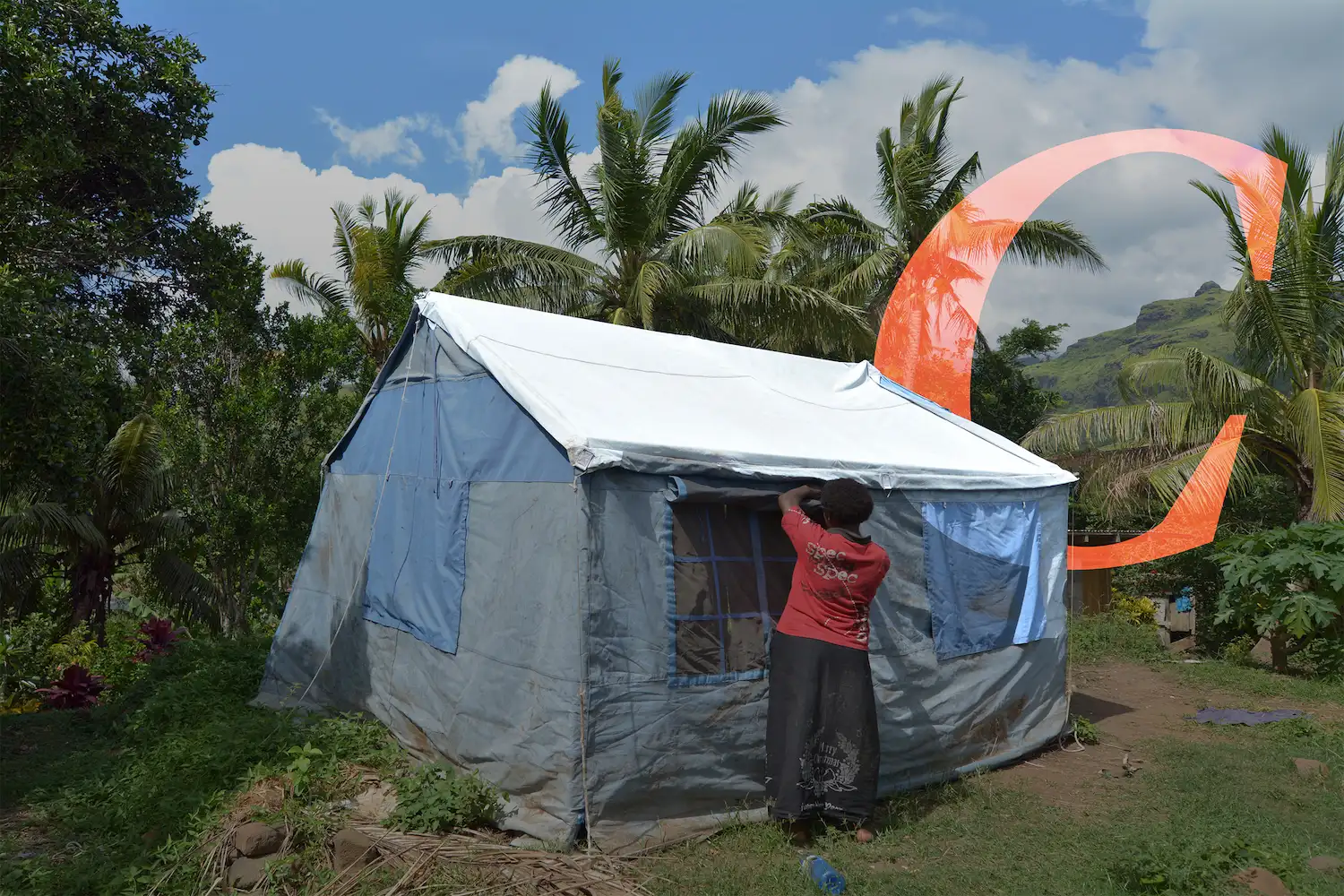
Challenge C
Managing sensitive biometric data collected
from disaster-displaced communities
Key Dates

Registrations Open: 11 May 2026
Hackathon Weekend: 17 – 19 July 2026
Hackathon Awards Ceremony: 19 August 2026
Team Prizes

$5,000 – 1st Prize
$3,000 – 2nd Prize
$1,000 – 3rd Prize
All prizes are for the team, not each participant
Program
Open to all university students in Australia,
New Zealand and The Pacific Islands region
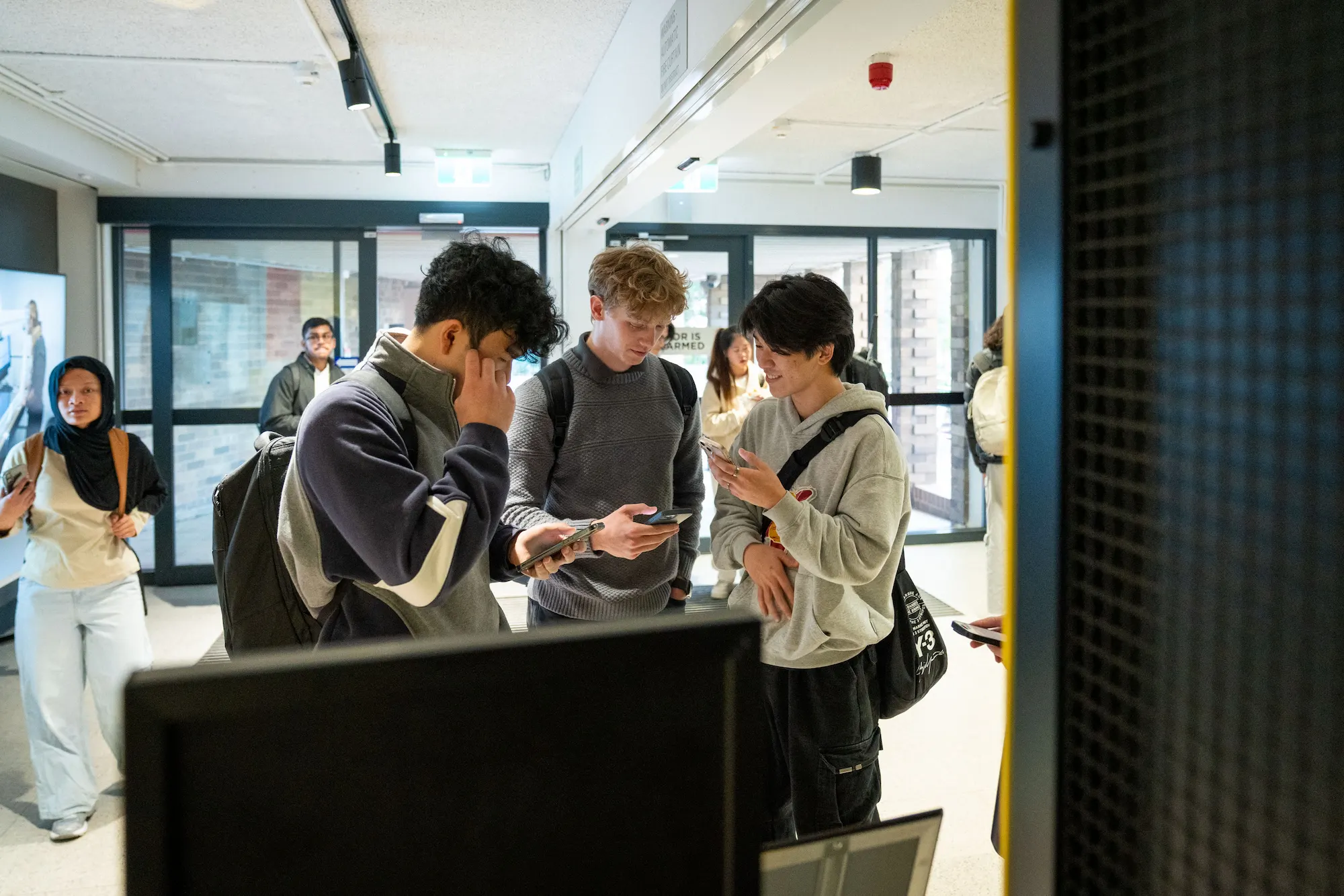
Our Humanitarian Innovation Hackathon is a weekend-long in-person and online hybrid event designed for undergraduate students to work collaboratively in cross-discipline teams to create technology-driven solutions for the most pressing humanitarian challenges.
Participants are asked to identify practical solutions for real and current problems from an existing international humanitarian response context.
Since our establishment in 2019, The Humanitarian Innovation Hackathon has seen hundreds of students address significant topics including climate change-induced population displacement, educating for the future, aiding island communities and the provision of clean water.
Rules, Entry & Eligibility
National and international university students in all disciplines domiciled in Australia, New Zealand and The Pacific Islands region, and studying at a university.
Entries are limited to undergraduate students.
Entrants will be required to provide evidence of their eligibility under these rules as a part of their application for entry. Example of evidence is a university ID card.
An individual may only participate in a single team. She/he cannot work across multiple teams.
Students must register as individuals. However, after registration, students can form their own teams of 3-4 students.
Meet our 2026 Judges
Meet the industry leaders, innovators and experts judging the 2026 Hackathon.
Kara Hinesley – Global Head of Public Policy & Government Affairs, Canva Dr Robert L. Guild – Team Leader, Pacific Region Infrastructure Facility
Neil Greet – Director, RedR Australia
Joanna Buldeski – Principal Safeguards Specialist, AIFFP
Mark Dando – CEO, Proxy Twin
Dr Jeremy Kohlitz – Research Director, Institute for Sustainable Futures, University of Technology Sydney
Sir Peter Cosgrove – Former Governor-General of Australia
Luiz Pizzato – Distinguished AI Scientist, Commonwealth Bank
Zahid Iqbal – Member, Humanitarian Engineering Hub Executive Committee
Connect with us
Join Us Online or In Person
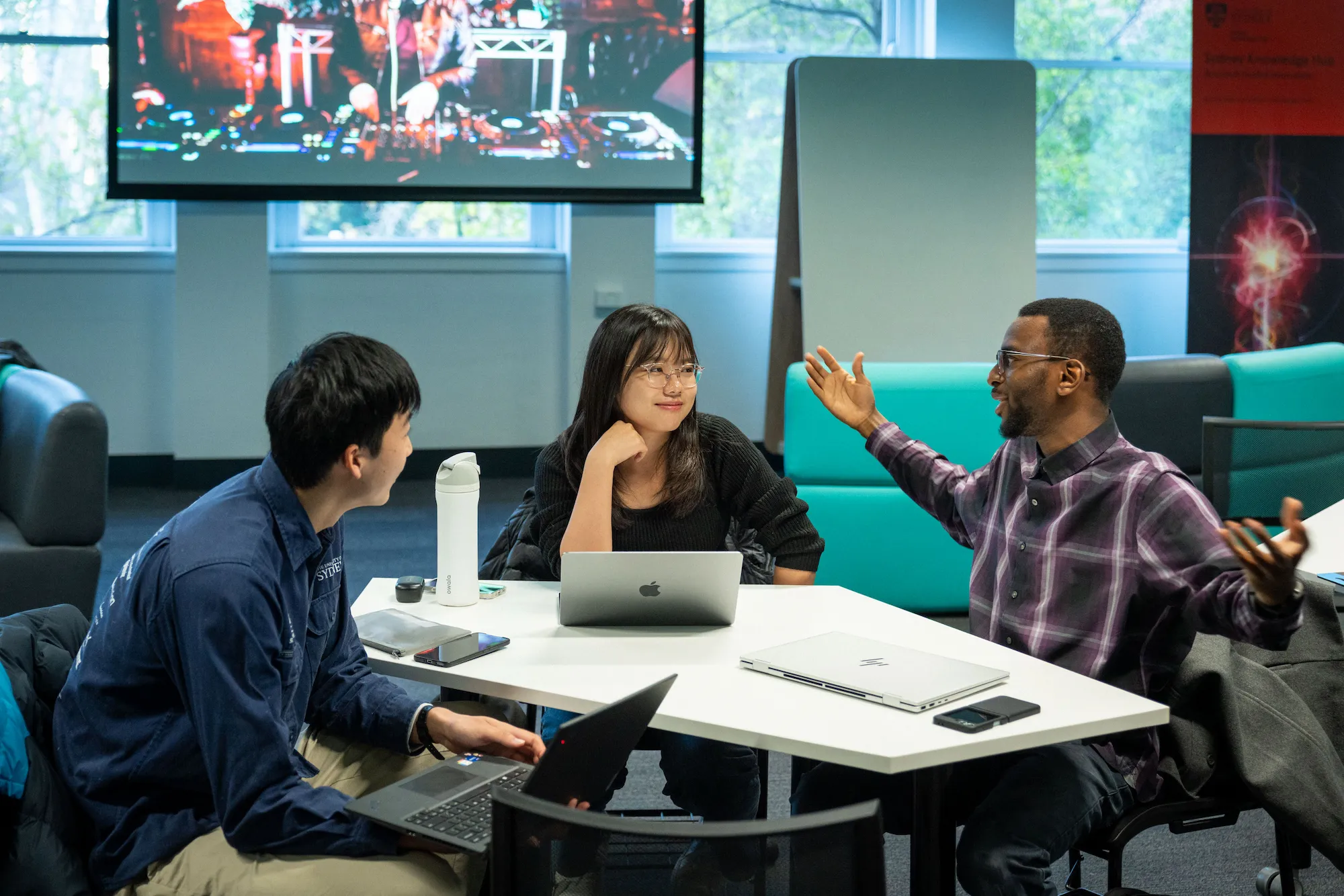
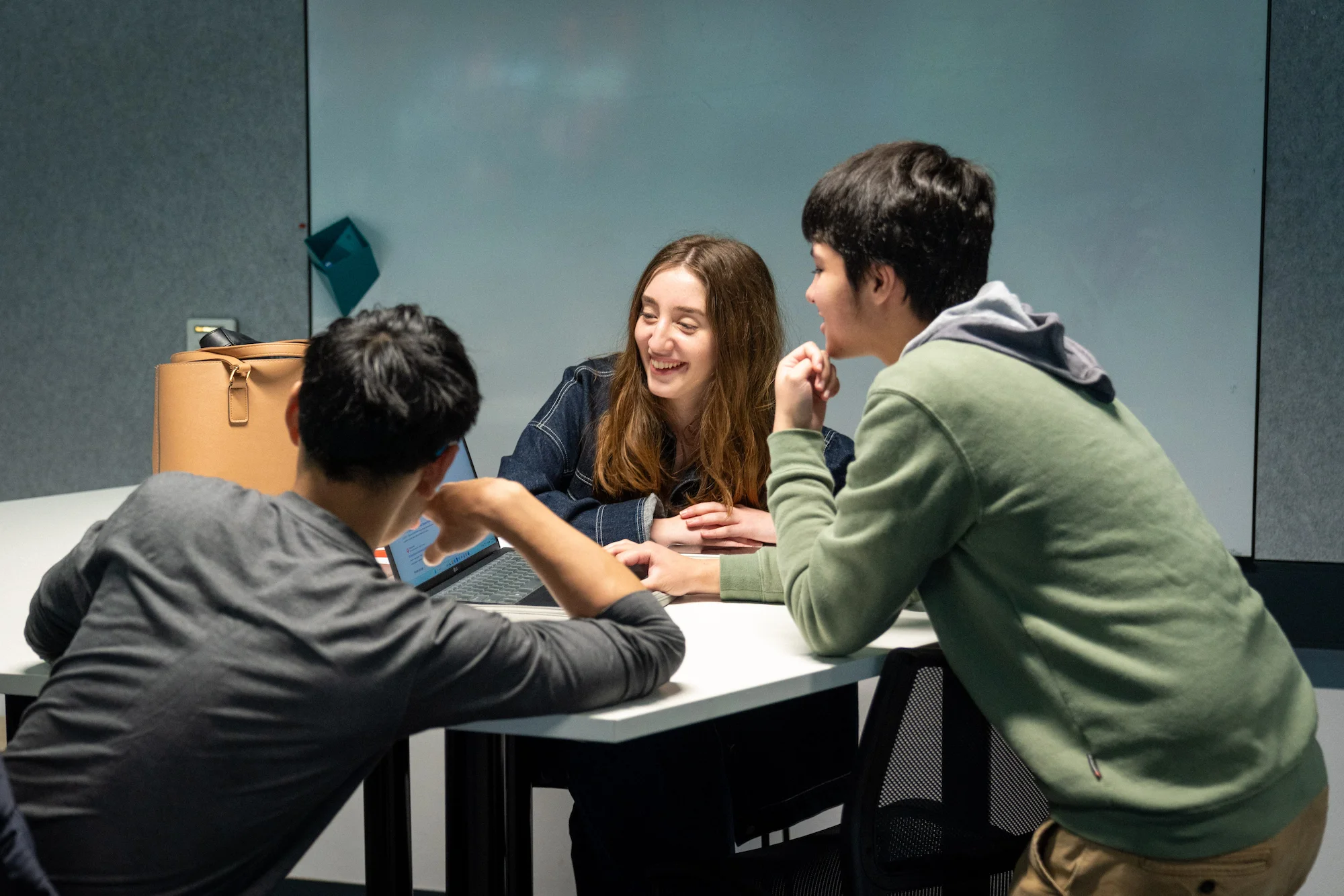
The 2026 Hackathon is a hybrid event. There will be 1 in-real-life location that all participants can participate from. They also have the option of participating online, utilising the live-stream on the website and Slack.
Our location
University of Sydney – Sydney Knowledge Hub
Hackathon Schedule
4pm – Opening Ceremony Commencement
4:30pm – Mini Challenge: Make a Team Promo
5:30pm – Hackathon Challenges Announcement
7pm – Make a Team Promo Winner Announcement
9am – Official Kickoff
9:10am – Mini Moment: How to make a video
5pm – Closing Saturday
9am – Official Kickoff
12pm – Submissions Due
12:15pm – DJ Beth Yen (back by popular demand)
4pm – Finalists Announcement
Meet the students!
Get to know the brilliant and passionate students behind this year’s Humanitarian Innovation Hackathon!
In this video, we hear what drives them, what they’re excited to create, and how they’re using their skills to make a real impact.
Innovation, collaboration and purpose. This is the future of engineering for good.
Hackathon Weekend
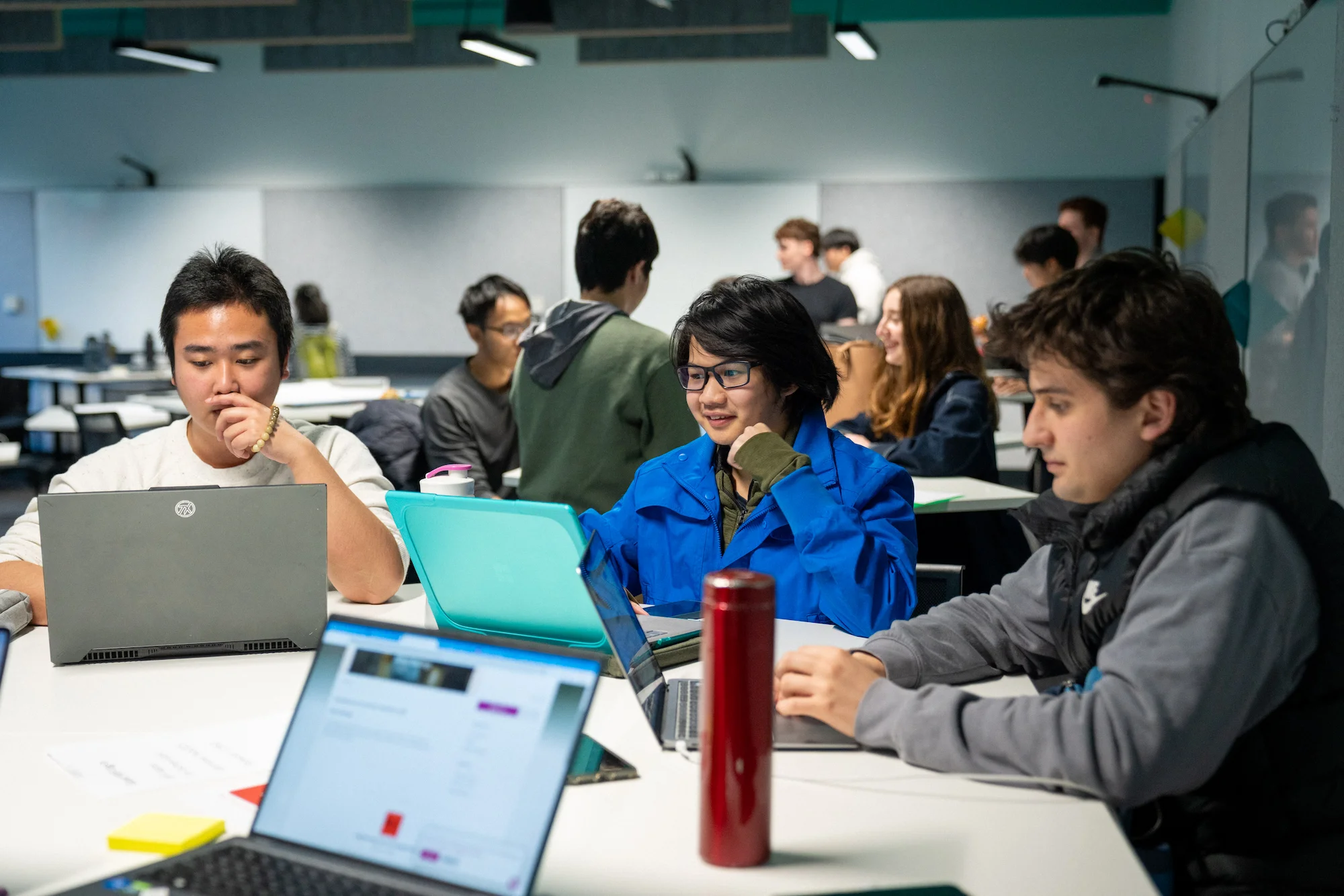
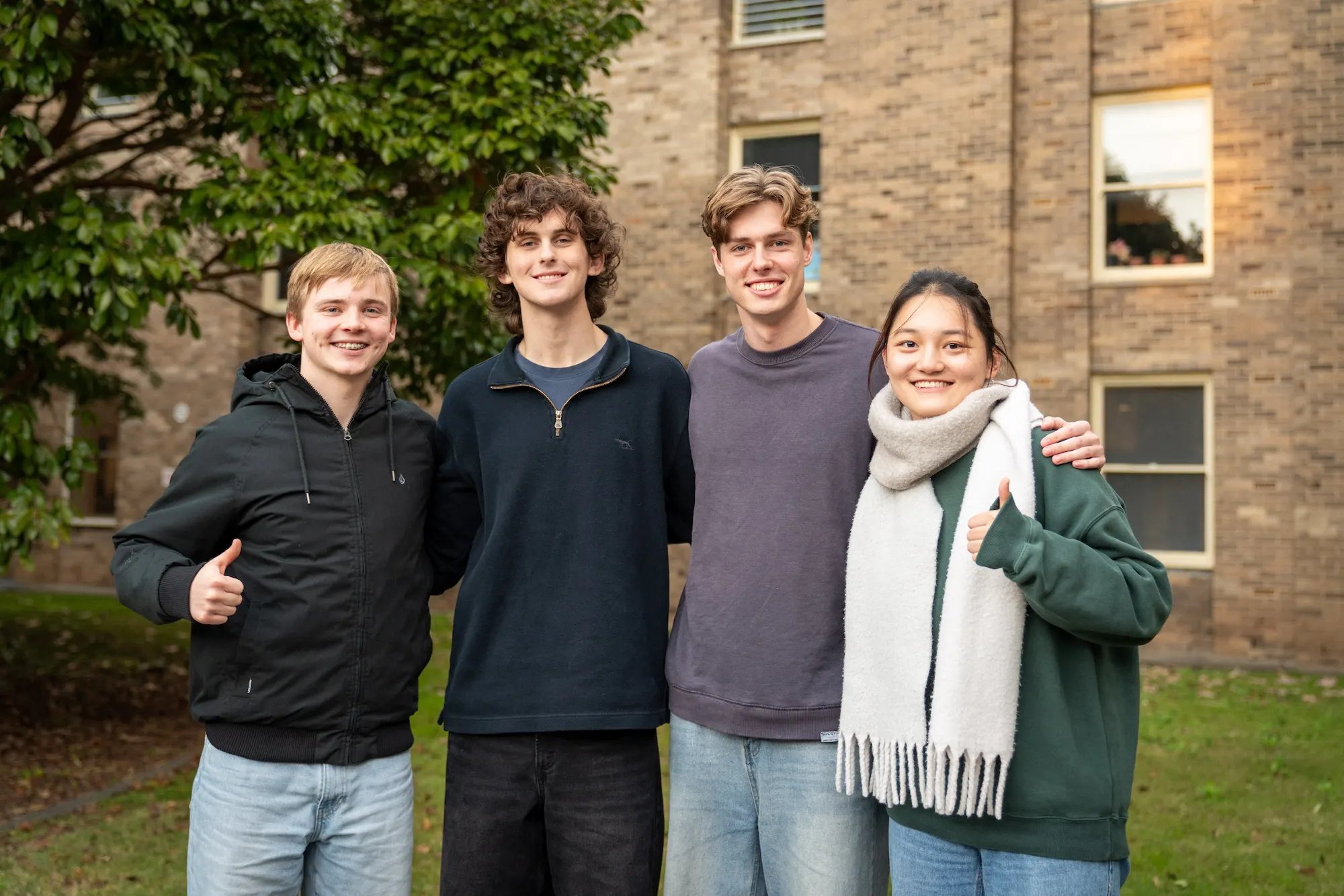
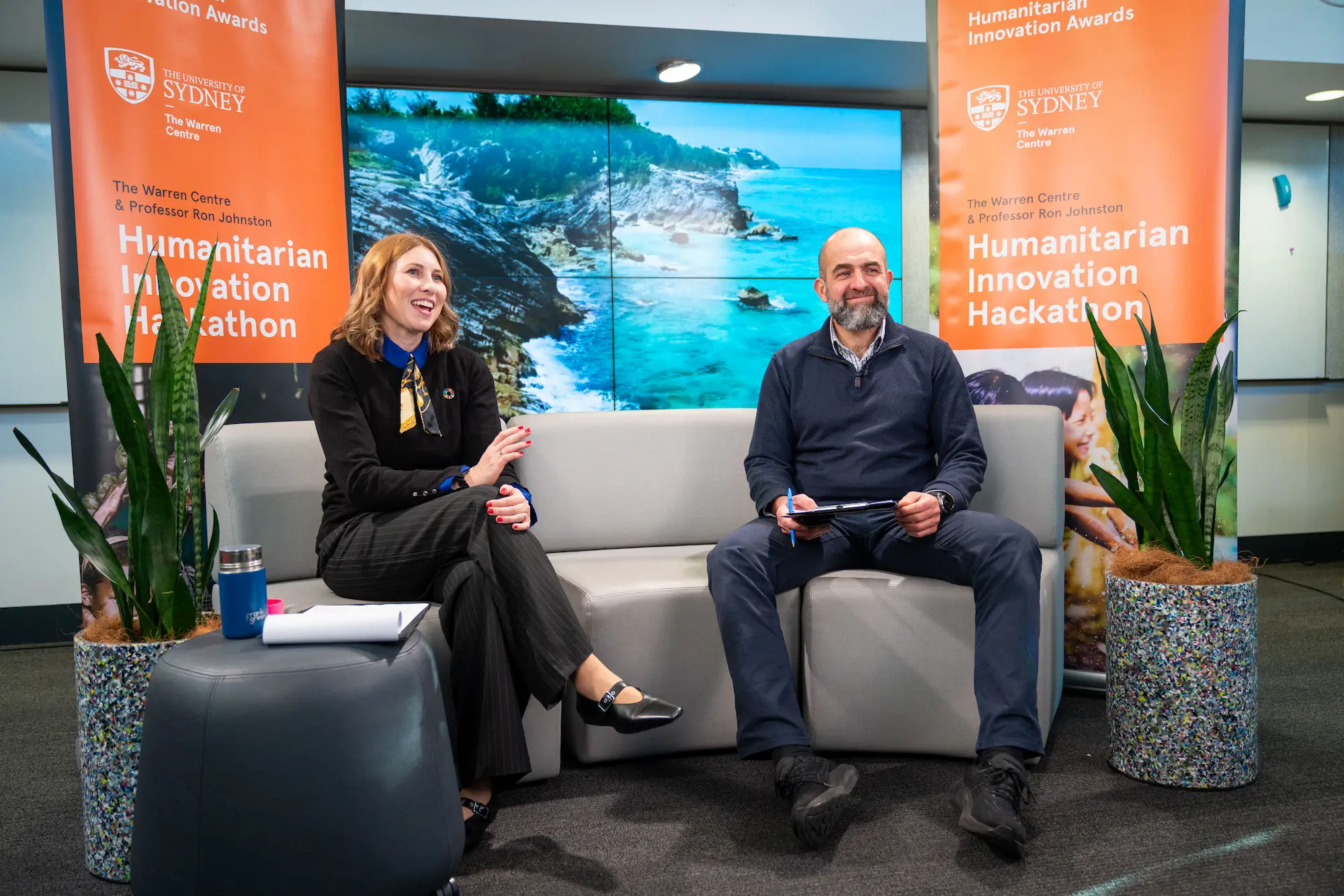
We set up a Hack Live studio in Sydney where the Hackathon is broadcasted LIVE across the country
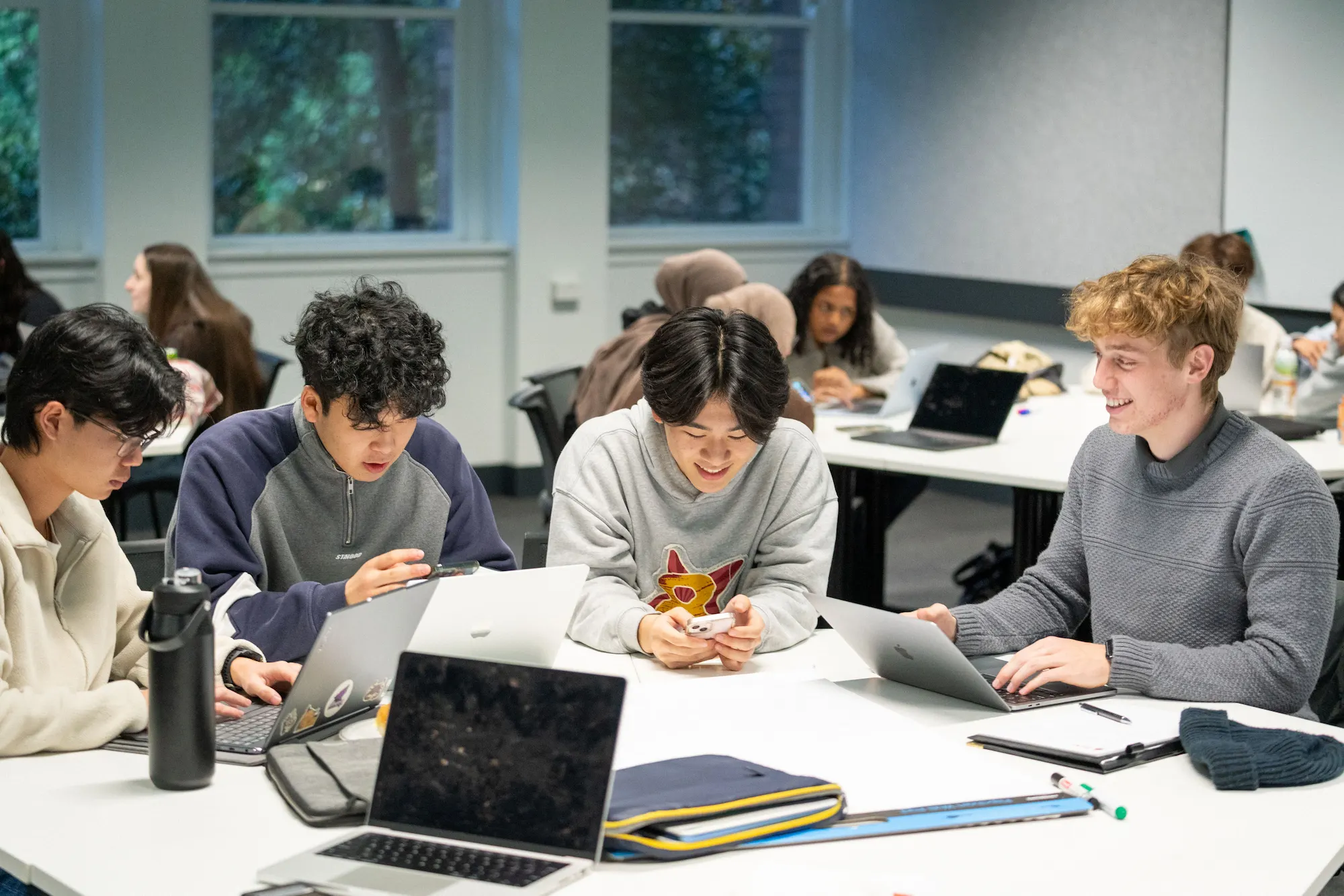
Hackathon
Explainer Video
Get ready for the 2026 Humanitarian Innovation Hackathon: our annual weekend-long humanitarian engineering contest.
For less than 48 hours, you’ll work together in teams of 3-4 students to develop solutions to real-world humanitarian challenges.
Watch Day 1 Highlights
What an incredible Hackathon its been! Over 500 plus students from universities took part in this year’s Humanitarian Innovation Hackathon. Here’s our first day highlights!
Hackathon supporters
Hackathon supporters help make the event possible by contributing their time, resources, and expertise



Venue Partner
Sydney Knowledge Hub, the University of Sydney’s startup incubator and research commercialisation hub

About Ron Johnston
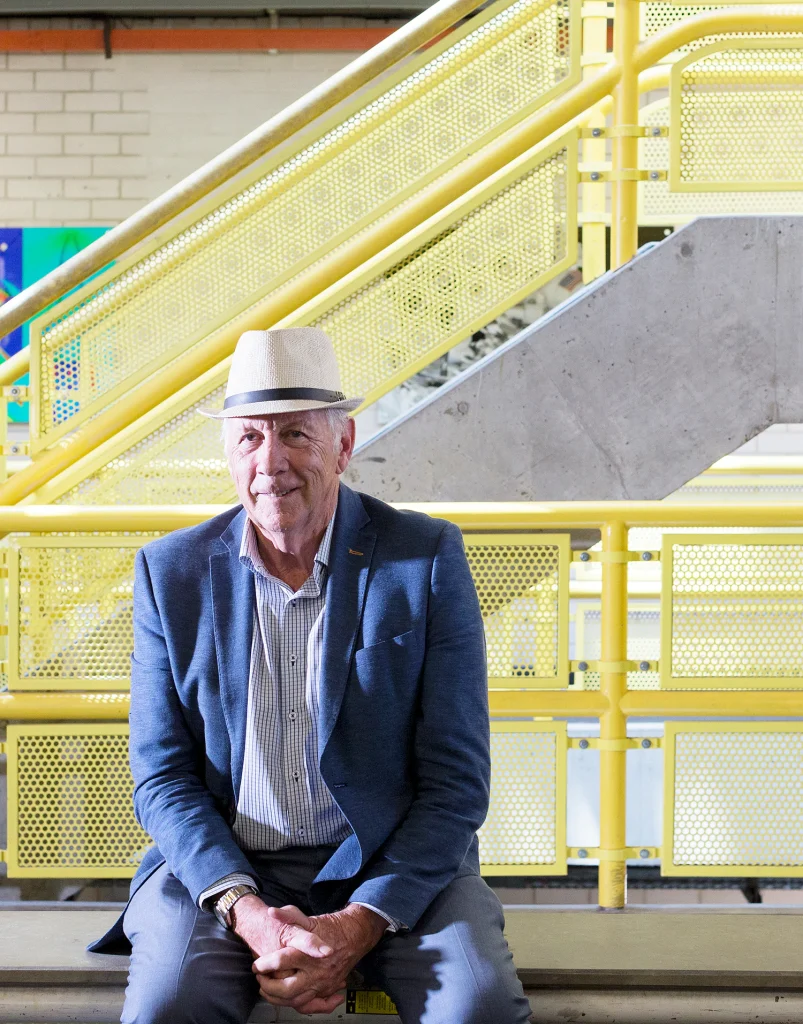
Professor Ron Johnston, the former Executive Director of the Australian Centre for Innovation (ACIIC), has worked for more than 30 years to pioneer a better understanding of the ways that science and technology contribute to economic and social development, the characteristics of the global knowledge economy, and the processes and culture of innovation.
His special skill is based on the breadth of his knowledge across technologies and his ability to integrate them into a socioeconomic and environmental context.
These annual awards are named in honor of him, to recognise his outstanding contributions as Director of ACIIC for some 20+ years.
Hackathon Past Winners
Hackathon Innovation Winner (Medal and $5,000)
Farhan Agus Ferdiansyah, Hastria Pramudyati Kusuma, Devo Farel Andrew Siagian and Erlina Anggraeni
University of Sydney
Hackathon Innovation Runner Up Prize ($3,000)
Julie Davies, Jessica Li, George Allman and Terina Dawoud
University of Sydney
Hackathon Innovation 3rd Prize ($1,000)
Queena Wang, Kalyani Jijith, Pratul Singh Raghava and Gia Chopra
University of Sydney
Special Commendation
Angus Henderson, Wesley Henderson and Franco Yemma
University of Sydney & University of Technology Sydney
Hackathon Innovation Winner (Medal and $5,000)
- Casey Lockrey (University of Sydney)
- Harrison Ledger (University of New South Wales)
- Nicholas Chiaverini (University of Wollongong)
- Liam Harvey (University of Wollongong)
Hackathon Innovation Runner Up Prize ($3,000)
- Ellie June (University of Sydney)
- Hannah Poon (University of Sydney)
- Sophia Lee (University of Sydney)
- Kathy Kim (University of Sydney)
Hackathon Innovation 3rd Prize ($1,000)
- Wiseson Kuang (University of Canterbury)
- Vaughan Smart (University of Canterbury)
- Kien Ngo (University of Canterbury)
- Jessica Dixon (University of Canterbury)
First prize: RedR Ron Johnston Rapid Response Prize (Medal and $5,000)
- Adam Slimming (University of Adelaide)
- Alex Hofman (Monash University)
- Gemma Biezen (Monash University)
- Sam Hillcoat (Monash University)
Hackathon Innovation Runner Up Prize (Medal and $3,000)
- Elvera Abdel-Messih (University of Technology Sydney)
- Ji Han Qin (The University of Sydney)
Hackathon Innovation 3rd Prize ($1,000)
- Angus Henderson (The University of Sydney)
- Wesley Henderson (University of Technology Sydney)
- Franco Yemma (The University of Sydney)
Solarobotix Digital Innovation Prize ($1,000)
“Team 13B Pacific Green Machine”
- Arushanan Prapakaran (University of New South Wales)
- Connor Sinclair (The University of Sydney)
- Zhiyu Cheng (The University of Sydney)
- Ritvik Sharma (The University of Sydney)
First Prize: RedR Ron Johnston Rapid Response Prize (Prize: Medal and $5,000)
- Henry Howard (University of Sydney)
- Vicky-Rae Reed (Western Sydney University)
- Hogun Lim (University of Queensland)
- Nadia Akbar (Monash University)
Vonwiller Humanitarian Innovation Runner Up Prize
- Alex Hofman (Monash University)
- Alex Qin (Australian National University)
- Nyamjargal Namsraijav (University of Adelaide)
- Shute Zhang (University of Sydney)
Laing O’Rourke for Best Presentation (Prize: $1,000)
First Prize: RedR Ron Johnston Rapid Response Prize (Prize: Medal and $5,000)
- Edith Lume (University of Wollongong)
- Mansour Adie (University of Sydney)
- Thomas Sau (MacquarieUniversity)
- Ivy He (University of Sydney)
Vonwiller Humanitarian Innovation Runner Up Prize
- Emily Sacks (University of Sydney)
- Gayathri Aranhiyullathil Pradeep (University of New South Wales)
- Rebecca Kung (University of Sydney)
- Akrita Singh (Macquarie University)
- Aishwarya Kathikeuan (Macquarie University)
Engineers Australia People’s Choice Award
- Emily Sacks (University of Sydney)
- Gayathri Aranhiyullathil Pradeep (University of New South Wales)
- Rebecca Kung (University of Sydney)
- Akrita Singh (Macquarie University)
- Aishwarya Kathikeuan (Macquarie University)
First Prize: RedR Ron Johnston Rapid Response Prize (Prize: Medal and $5,000)
- Alex Hofmann (Monash University)
- Allan Soo (University of Technology Sydney)
- Ben Hofmann (Australian National University)
- Emily Unewisse (University of Adelaide)
- James Hurst (Australian National University)
Pacific Telecommunications Council / Beyond Essential Humanitarian Internship Appointent
- Katia Moors (University of Sydney)
- Thomas Sau (Macquarie University
Pacific Telecommunications Council First Prize for Best Humanitarian Digital Innovation
- Alida Fois from (University of Melbourne)
- Celina Dhobbie (Monash University)
- Charvi Mamidi (University of Sydney)
- Portia Sihvola (Queensland University of Technology)
Pacific Telecommunications Council Second Prize for Best Humanitarian Digital Innovation
- Avanish Shrestha (University of Sydney)
- Isabella Notarpietro (University of New South Wales)
- Rafe Skidmore (University of Sydney)
- Meg Phillips (University of Tasmania)
- Syed Emaad Rizwan (Macquarie University)
First Prize: RedR Ron Johnston Rapid Response Prize (Prize: Medal and $5,000)
- Cameron Choi (University of Sydney)
- Fransiska Bekti (University of Sydney)
- Kevin Miao (University of Sydney)
- Mark Cavanna (University of Sydney)
- Terrence Darma (University of Sydney)
- Aisha Warsame (Deakin University)
- Brittany Gardner (University of Sydney)
- Harshita Jyoti (Australian National University)
- Madeline Liddle (Australian National University)
- Seo Woo Bae (University of Sydney)
- Adele van der Winden (Queensland University of Technology)
- Liam McAllister (Queensland University of Technology)
- Riley de Jong (Queensland University of Technology)
- Tasfia Quader (Macquarie University)
- Thomas Larkin (Australian National University)
Laing O’Rourke best presentation: “Rafts & Rails”
- Boran Wang (University of Sydney)
- Jasper Rasmussen (University of Sydney)
- Joseph Malicdem (Macquarie University)
- Qiting Huang (University of Sydney)
- Victor Zhuang (University of Sydney)