

The Warren Centre Professor Ron Johnston
Humanitarian
Innovation Pitch
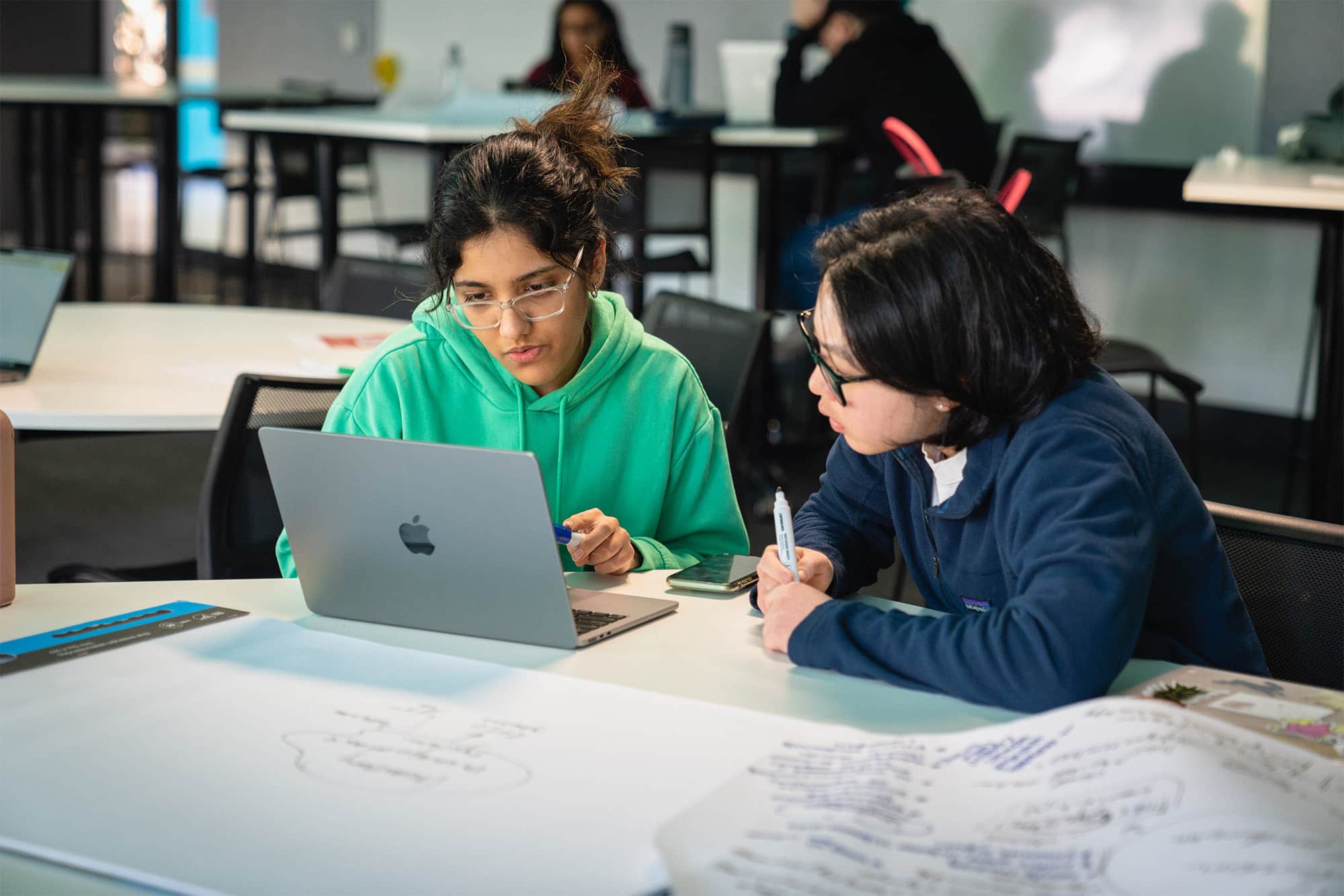
What is The Pitch?
The Humanitarian Innovation Pitch is an annual national prize recognising Postgraduate by coursework and Higher Degree by Research (HDR) students for conducting research that can be applied to address pressing issues facing underserved or marginalised communities.
The Event is designed to raise the profile of Postgraduate or HDR student research that has made or has the potential to make contributions to addressing humanitarian or development challenges.
In particular, the Pitch seeks to encourage students to think about how governments, institutions, non-governmental organisations, and communities might apply their research.
Key Dates

Submissions Open: 11 May – 7 September 2026
Judging: 21 September – 6 October 2026
Winner’s Announcement: 14 October 2026
PTC Conference: 17 – 20 January 2027
Team Prizes

1st Prize – One complimentary conference registration for the PTC Conference, held 17 – 20 January 2027 in Honolulu, with a travel stipend to help fund a round-trip economy class airfare from the winner’s closest major airport to Hawaii, and five-nights hotel accommodation.
$1,000 AUD Cash
2nd Prize – $2,000 AUD Cash
3rd Prize – $1,000 AUD Cash
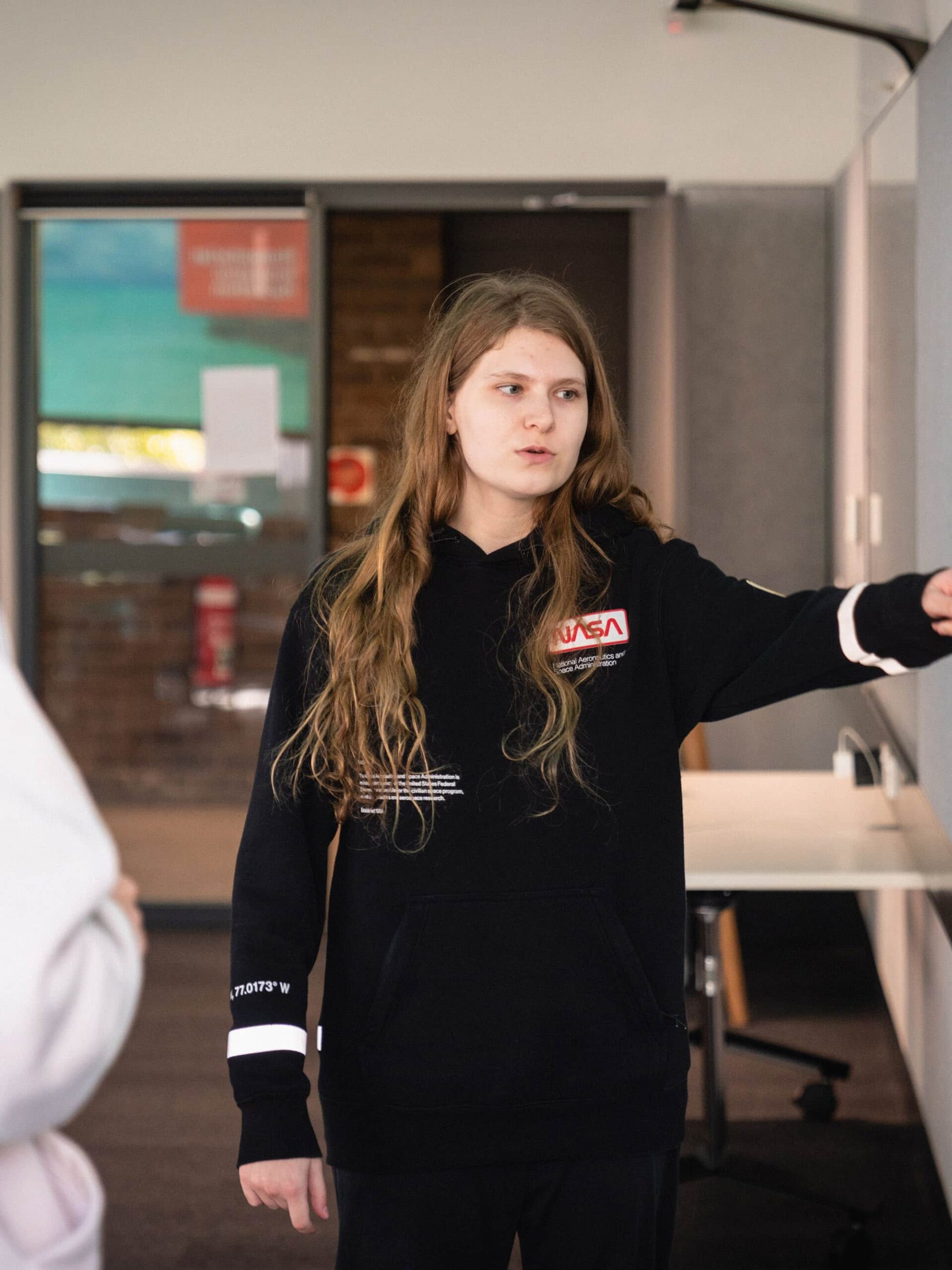
Entry and Eligibility
Entry is only open to persons who, during the
competition period, are:
A postgraduate coursework research or higher degree by research (HDR) student currently enrolled at an Australian University or who have completed a postgraduate coursework or an HDR degree from an Australian university within 6 months of the Pitch opening date (12 November 2025 at the earliest).
Entries must be individual – team submissions are not permitted;
An individual may only make one submission;
Entrants will be required to provide evidence of their eligibility under these rules as a part of their submission. Example of evidence is a university ID card.
Judges
2026 Humanitarian Innovation Pitch Judging Panel
A judging panel of eminent members from the Australian community with experience in the delivery of humanitarian assistance and international development has been established by The Warren Centre.
A formal assessment methodology will be used. No discussion of any kind will be entered into after presentation by entrants nor will further clarifications be sought by the judges prior to making their decision.
The decision of the Judging panel is final and not appealable in any way.
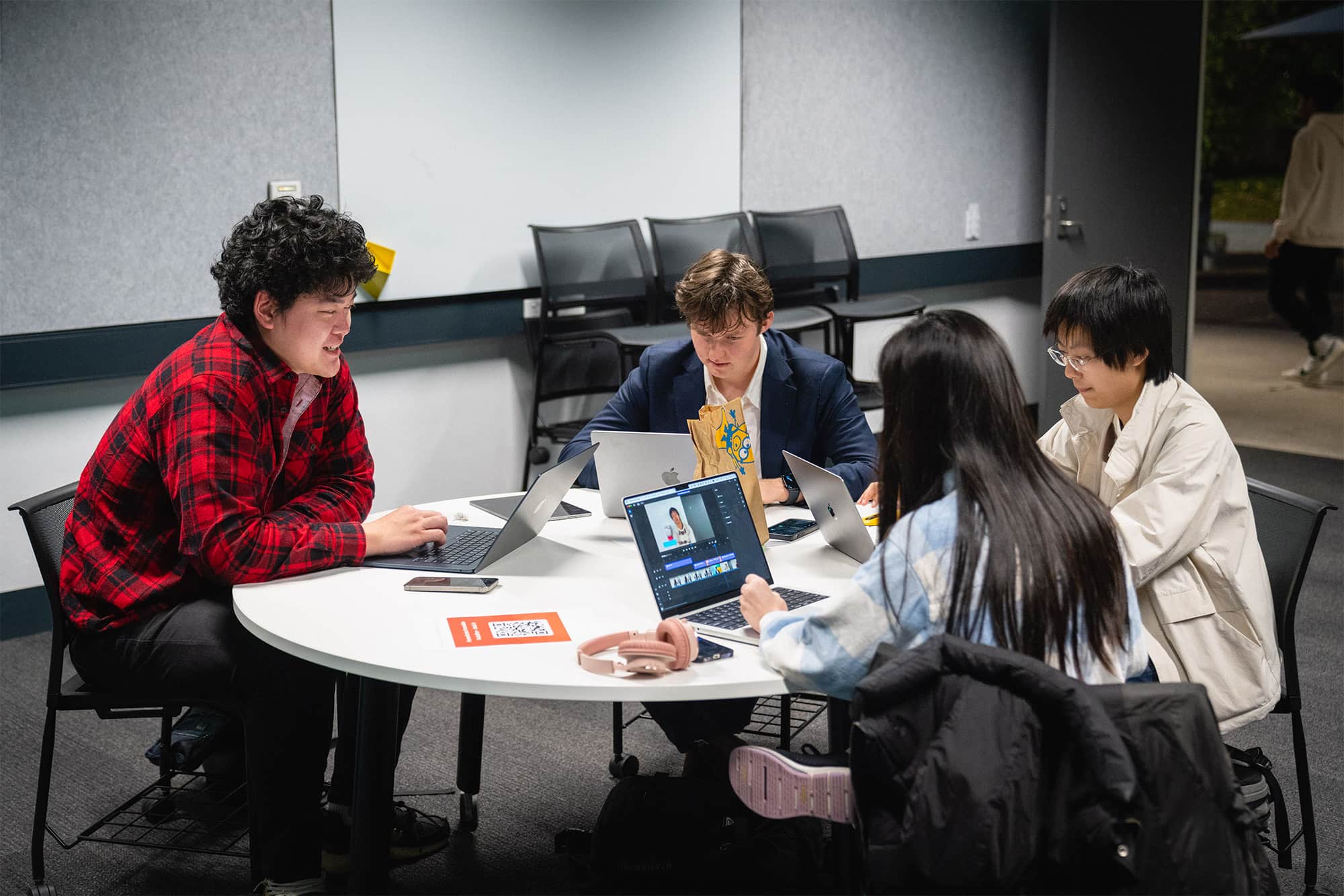
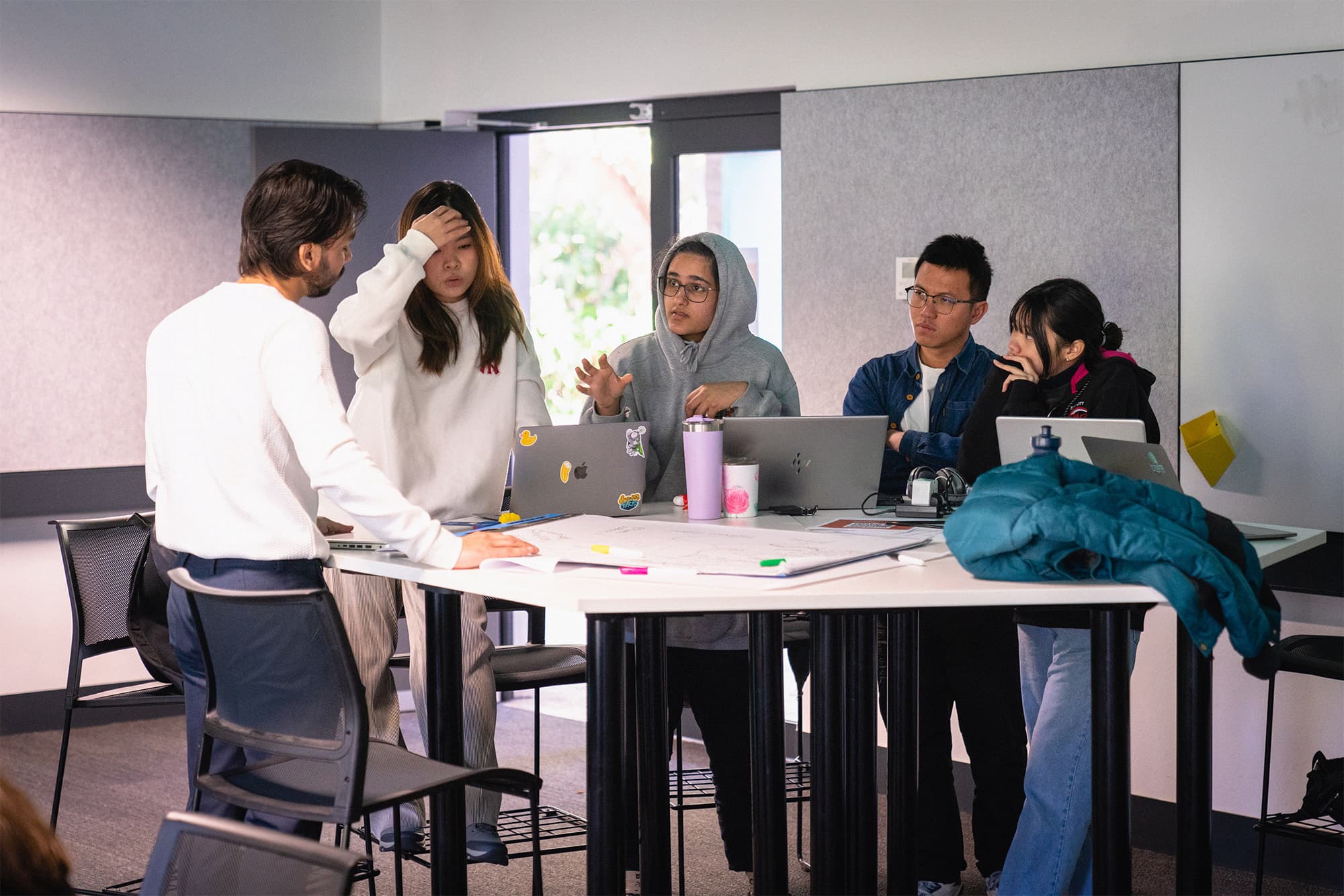
Pitch Schedule
Entrants must put forward a submission in which they connect their postgraduate coursework research or HDR degree research to a real problem in a humanitarian or development context (post-disaster, protracted crisis, development assistance or otherwise). Basic or applied research will be considered, but there must be a connection made to practical solutions for communities.
The research must make a clear connection to one or more of the United Nations Sustainable Development Goals.
• Individual details;
• Portrait photo;
• An abstract of the research, of up to 200 words, including an accompanying optional graphical abstract;
• A video (aka The Pitch), up to a maximum of 5 minutes;
• Supporting documentation (optional), limited to one published journal article, conference paper, or other written work.
• Acceptance of terms and conditions.
• Video Submission Guidelines
• File Format (mp4 is best)
• Wide frame orientation – (No Reel/Story/Tiktok orientation)
• File size 500-600mbs
• Maximum 5 mins
• File name must be Full Name of Participant
Evaluation Criteria
The judges will place emphasis on the Pitch video. The applicant may elect for any form of content within the Pitch. This may include slides, animation, or other graphics. Applicants are advised to ensure that their Pitch is clear and definitive in describing the problem and research, within the nominated time limits. Videos must not exceed 5-minutes in duration.
Submissions must be concise and demonstrate the contributions of the research to both theory and practice. Evaluation criteria will be the degree to which the research:
The Problem
1. Addresses a real and pressing humanitarian or development problem;
2. Identifies a clear gap in knowledge with existing literature.
The Research
1. Uses appropriate and clear research methods;
2. Is novel, original and innovative.
The Benefits
1. Describes clear recommendations for practice with defined target end-users;
2. Considers cross-cutting sectoral issues such as localisation, disability inclusion, gender, and protection;
Communication
1. Tells an effective and clear story of need and impact for the research.


Pitch supporters
Pitch supporters help make the event possible by contributing their time, resources, and expertise




Pitch Past Winners
Professor Ron Johnston Prize in Humanitarian Innovation Winner
John Salvador Ricacho, The University of Sydney: Facile and Modular Nanoparticle Sensor for Community-Led Low-Cost Water Contaminants Detection
Second place
Shehla Inam, The University of Sydney: Point-of-Care Heart Health for Refugees and Remote Communities
Third place
Abhishek Sebastian, The University of Sydney: Resilient Agriculture Framework for Tamilnadu
Professor Ron Johnston Prize in Humanitarian Innovation Winner
Emily Nabong The University of Sydney: Empowering Climate Resiliency with an Interactive Policy Tool
Second place
Phyllis Wairimu Ngugi, Bond University: Tackling Food Insecurity Through Traditional Preservation Methods
Third place
Mahima Pivithuru Herath Herath Mudiyanselage: Griffith University: Barrier-free Medical Services; Enhancing the accessibility to Primary Healthcare services in Zaatari Refugee Camp, Jordan
First prize: RedR Ron Professor Ron Johnston Prize in Humanitarian Innovation Winner
Arvin Hadlos (The University of Sydney): “Analysing multi-hazard housing reconstruction strategies in the Philippines”
Second place
Sabita Adhikari (The University of Sydney): “Sanitation: Latrine front-end characteristics”
Third place
Isaac Besarra (The University of Sydney): “Flood risk for residential buildings in the Philippines” Rapid Response Prize (Medal and $5,000)
Professor Ron Johnston Prize in Humanitarian Innovation Winner
- Jimmy Deng (The University of Sydney)
- Layla Eddie (University of Technology Sydney)
- Hassan Al Hassan (The University of Sydney)
Runner up
Alistair Wastlhuber (Monash University)
Maya Weston (Monash University)
Kalutotage Sineka Bihiduni Sirinada (Monash University)
Professor Ron Johnston Prize in Humanitarian Innovation Winner
- Mansour Adie (University of Sydney)
- Jimmy Deng (University of Sydney)
- Ivy He (University of Sydney)
- Sharon Davids (University of Sydney)
Runner Up
Zirui Chen (Australian National University)
Katherine Feng (Australian National University)
Shaoheng Xu (Australian National University)
Hang Sheng (Australian National University)
Professor Ron Johnston Prize in Humanitarian Innovation Winner
- Vanathy Arudselvan (University of Sydney)
- Yeeun Cho (University of Sydney)
Runner Up
Adele van der Winden (Queensland University of Technology)
Ally Moodie (Queensland University of Technology)
Professor Ron Johnston Prize in Humanitarian Innovation Winner
- Georgia Odlin (University of Sydney)
- Ella Lambert (University of Sydney)
Runner Up (Prize: GHD internship and automatic entry into hackathon)
- Mark Cavanna (University of Sydney)
- Kevin Miao (University of Sydney)
- Cameron Choi (University of Sydney)
- Terrence Darma (University of Sydney)
“Bio-Engineering for River Banks”
- Riley de Jong (Queensland University of Technology)
- Liam McAllister (Queensland University of Technology)
- Adele van der Winden (Queensland University of Technology)
James Griffiths (Charles Sturt University)
Ethan Hastings (Charles Sturt University)
Zac Stanford (Charles Sturt University)
Marcus Dege (Charles Sturt University)

Intellectual Property
The entrants retain ownership of their designs.
The entrants license the University of Sydney to use and modify for use their photographs, video and any written content as a part of
promoting the program Awards and the winners.