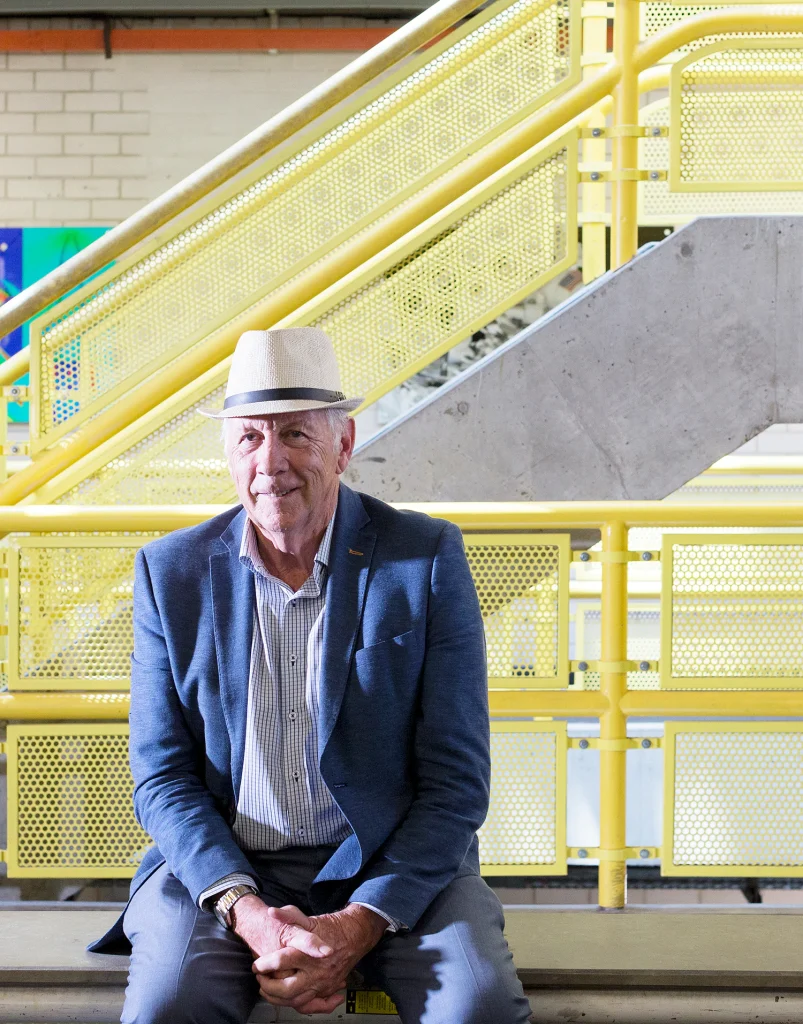
The Warren Centre Professor Ron Johnston
Hackathon History
Explore the ideas, innovations and teams that have shaped our hackathons over the years. This archive celebrates past winners and recognises the creativity, collaboration and problem solving that continue to drive our community forward.
Browse by Year
Meet Our 2025 Winners
The 2025 Humanitarian Innovation Hackathon challenged participants to develop solutions that support food security, nutrition and sustainable agriculture. These winning teams stood out for their creativity, collaboration and potential to create meaningful impact.
First Place
Team 21A – Nie Bang
Farhan Agus Ferdiansyah, Hastria Pramudyati Kusuma, Devo Farel Andrew Siagian and Erlina Anggraeni
University of Sydney
Second Place
Team 37B – Sparkies
Julie Davies, Jessica Li, George Allman and Terina Dawoud
University of Sydney
Third Place
Team 38B – Thread
Queena Wang, Kalyani Jijith, Pratul Singh Raghava and Gia Chopra
University of Sydney
Special Commendation
Team 34C – The Innovationeers
Angus Henderson, Wesley Henderson and Franco Yemma
University of Sydney & University of Technology Sydney
2025 Hackathon Challenges
In 2025, the Hackathon featured four challenges all based around UN SDG 2: Zero Hunger. From improving nutrition to biodiversity, each challenge was designed to put our participants’ engineering skills to the test:
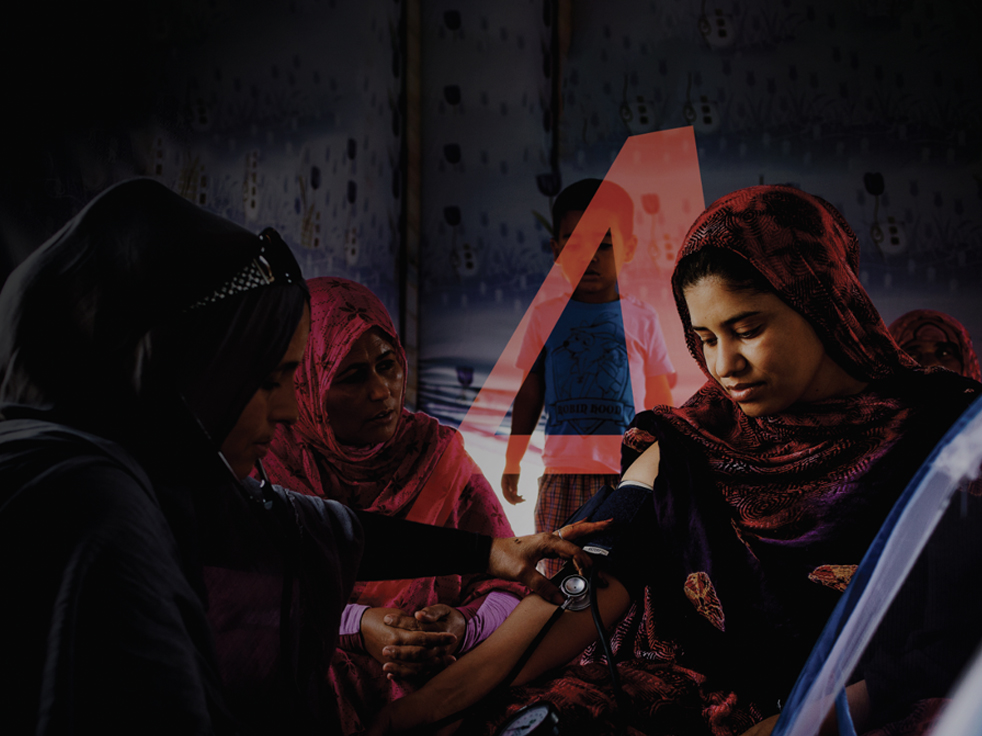
Challenge A
Meeting the nutritional needs of women and girls to reduce anaemia
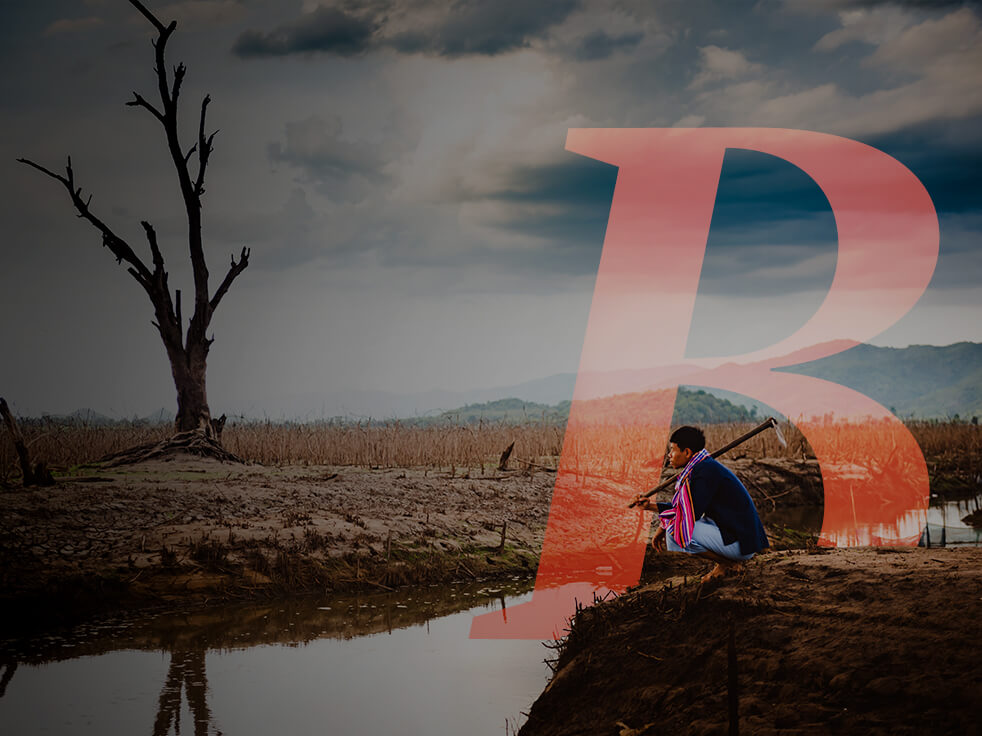
Challenge B
Climate change resilient agricultural practices
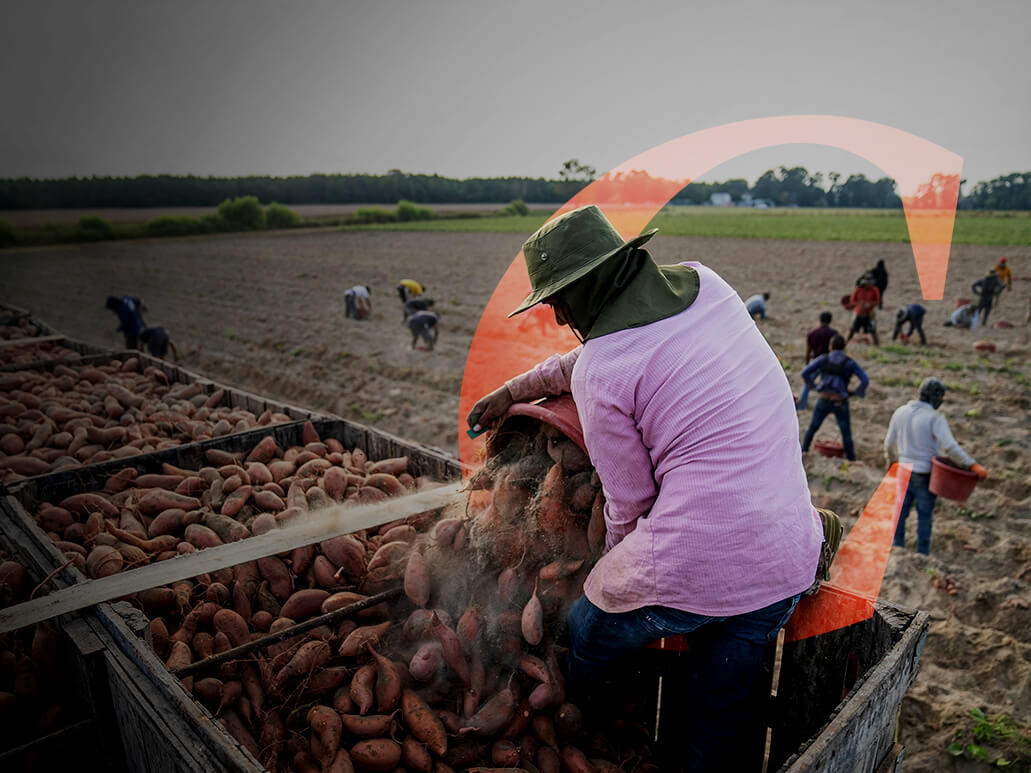
Challenge C
Boosting genetic diversity in our food production systems
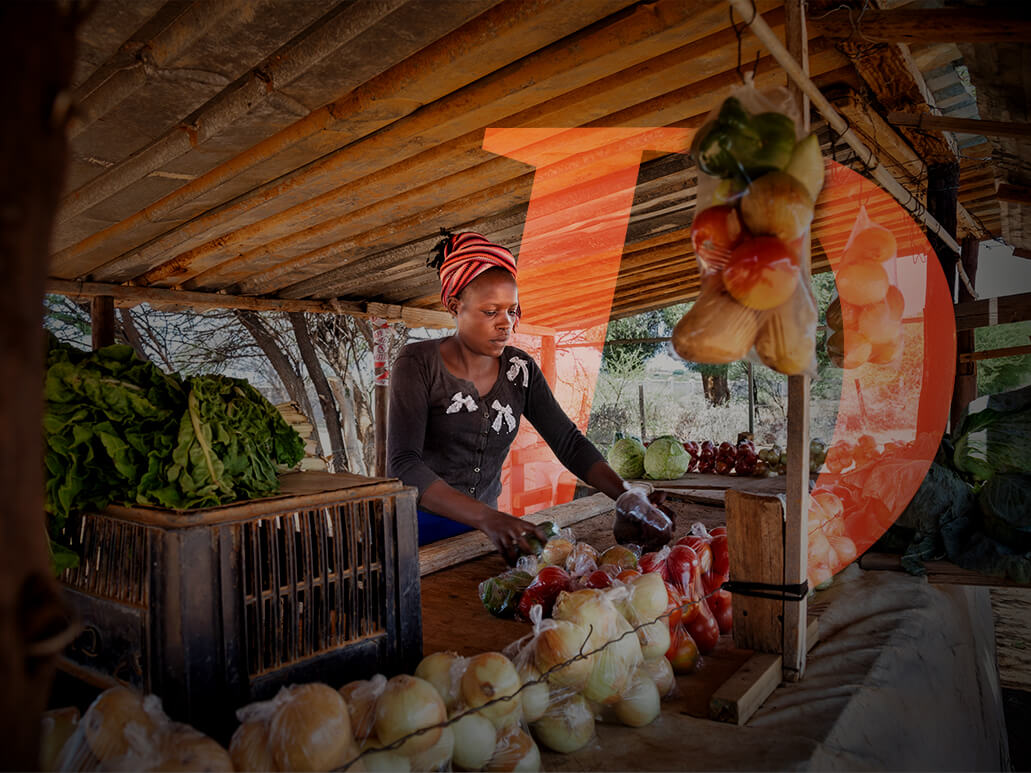
Challenge D
Information, communication and technology and food commodity markets
Meet Our 2024 Winners
The 2024 Humanitarian Innovation Hackathon challenged participants to develop practical solutions for real world issues, from food security and water quality to transport and data accessibility. These winning teams impressed judges with their creativity, collaboration and impact.
First Place
Team 25C – Sydgong Solutions
Casey Lockrey, Harry Ledger, Nicholas Chiverini, Liam Harvey
University of Sydney, University of Wollongong and University of New South Wales
Second Place
Team 10B – Kesh
Hannah Poon, Kathy Kim, Sophia Lee, Ellie June
University of Sydney
Third Place
Team 20B – UC
Wiseson Kuang, Jessica Dixon, Kien Ngo, Vaughan Smart
University of Canterbury
2024 Hackathon Challenges
In 2024, the challenges focused on how digital technologies can help accelerate progress towards the Sustainable Development Goals. Participants explored innovative solutions that addressed real-world issues through technology and collaboration.

Challenge A
Addressing the transportation data gaps in order to design solutions in developing nations
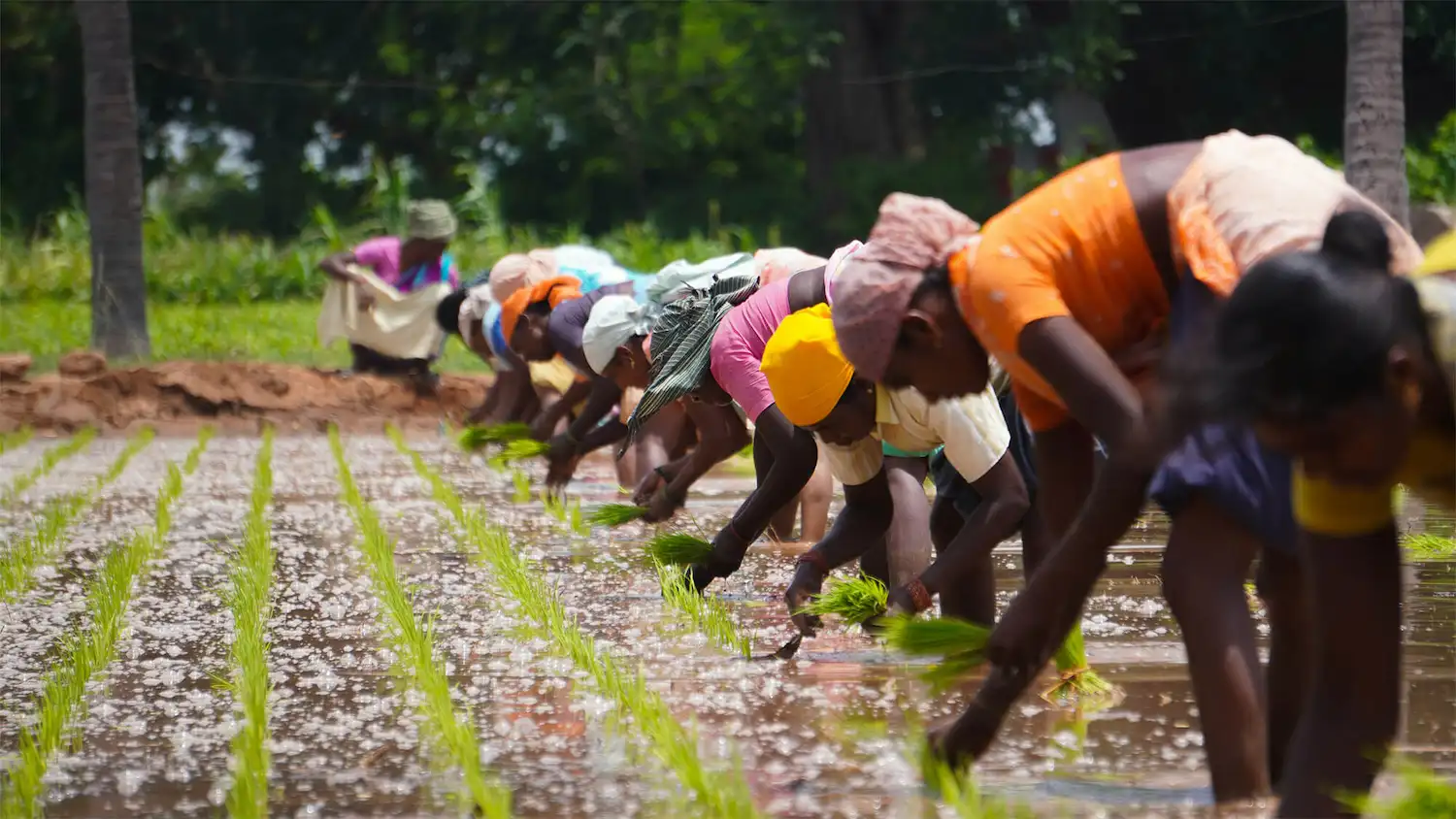
Challenge B
To develop innovative digital technologies to increase efficiency of small-scale food producers
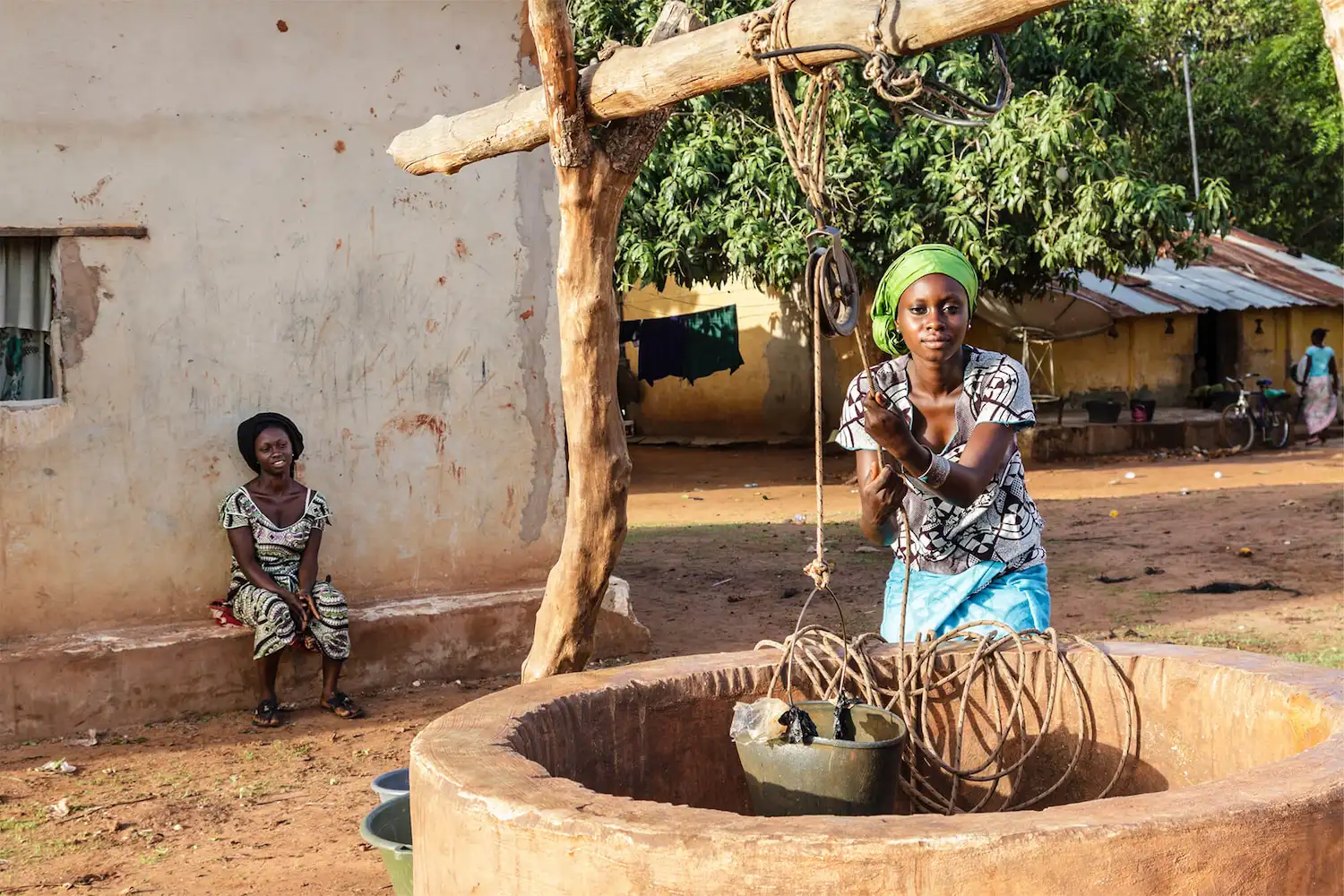
Challenge C
Improving drinking water quality reporting to prevent water-borne disease outbreaks
Meet Our 2023 Winners
The 2023 Humanitarian Innovation Hackathon challenged participants to develop practical solutions for real world humanitarian issues. These winning teams stood out for their creativity, collaboration and ability to turn complex challenges into impactful ideas.
First Place
Team 1A Heatbloc
Adam Slimming, Alex Hofmann, Gemma Biezen, Sam Hillcoa
University of Adelaide and Monash University
Second Place
Team 9A Nucleus
Elvera Abdel-Messih, Ji Han Qin
University of Sydney and University of Technology Sydney
Third Place
Team 14C The IT Crowd
Angus Henderson, Franco Yemma, Wesley Henderson
University of Technology Sydney and University of Sydney
Special Commendation
Team 13B Pacific Green Machine
Arushanan Prapakaran, Connor Sinclair, Zhiyu Cheng, Ritvik Sharma
University of Sydney and University of New South Wales
2023 Hackathon Challenges
In 2023, the Hackathon focused on building resilient communities across the Pacific by addressing the impacts of climate change and strengthening essential infrastructure. Participants developed innovative engineering and technology solutions to improve housing, water security and transport resilience.
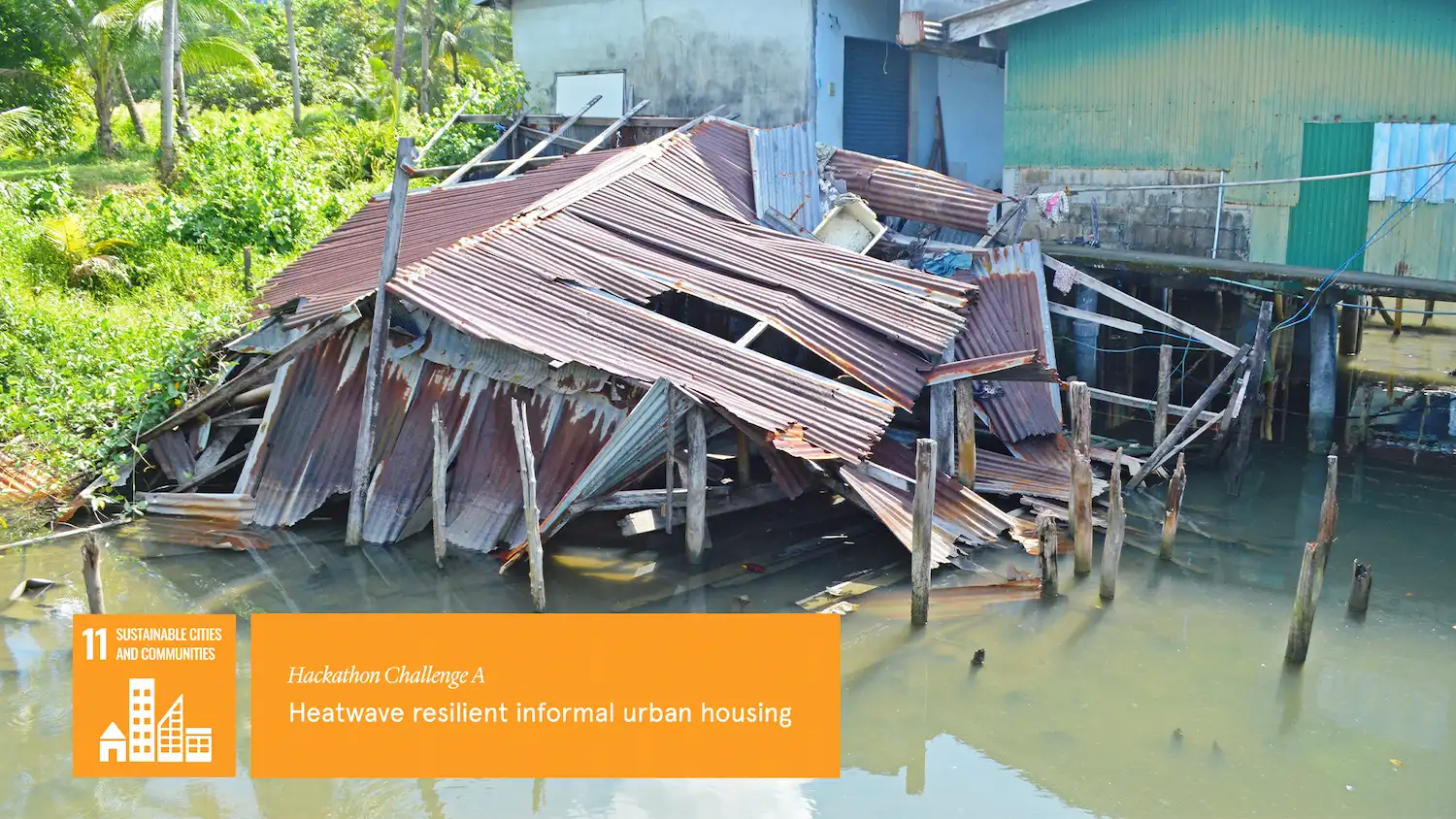
Challenge A
Heatwave resilient informal urban housing
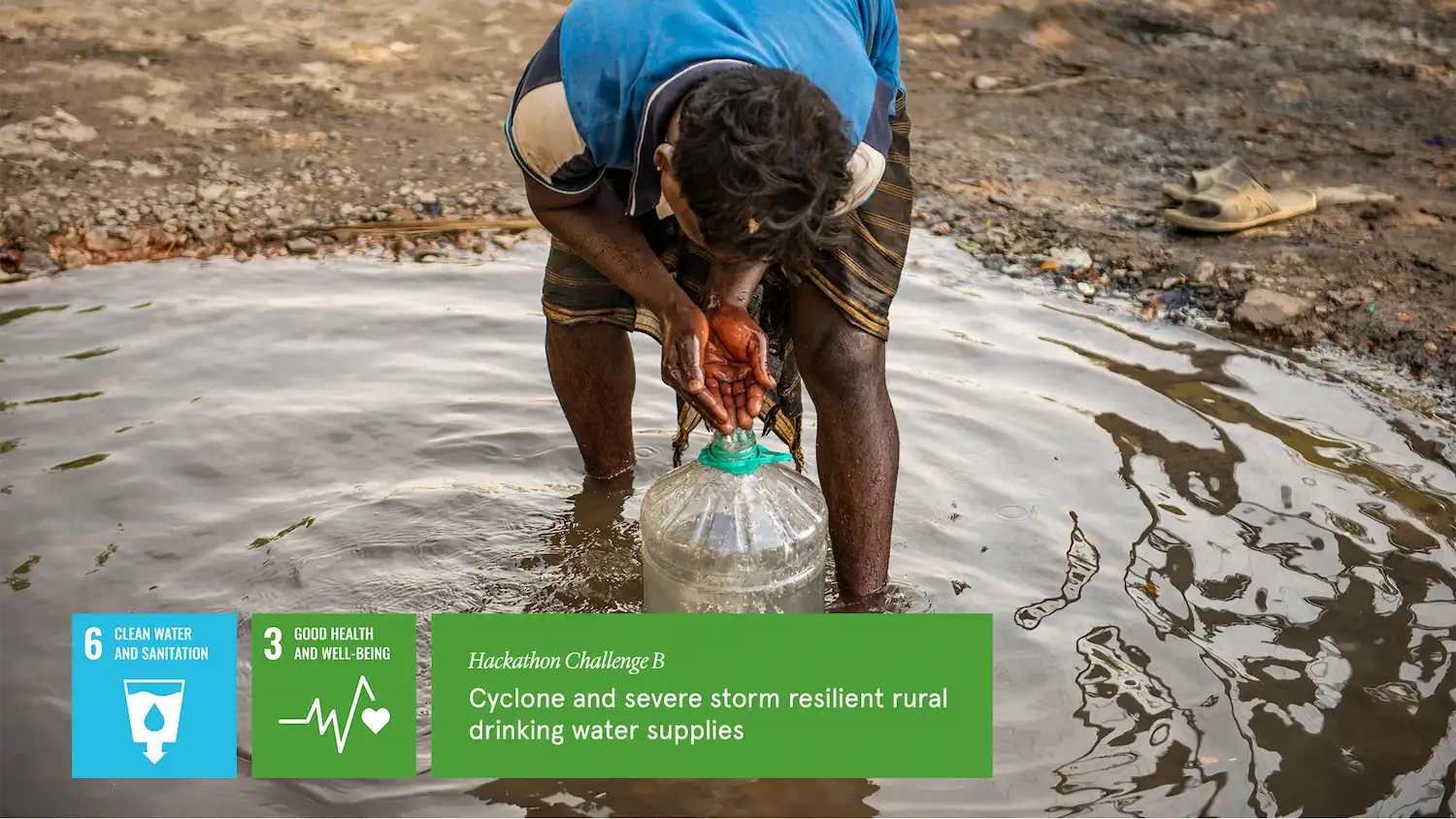
Challenge B
Cyclone and severe storm resilient rural drinking water supplies
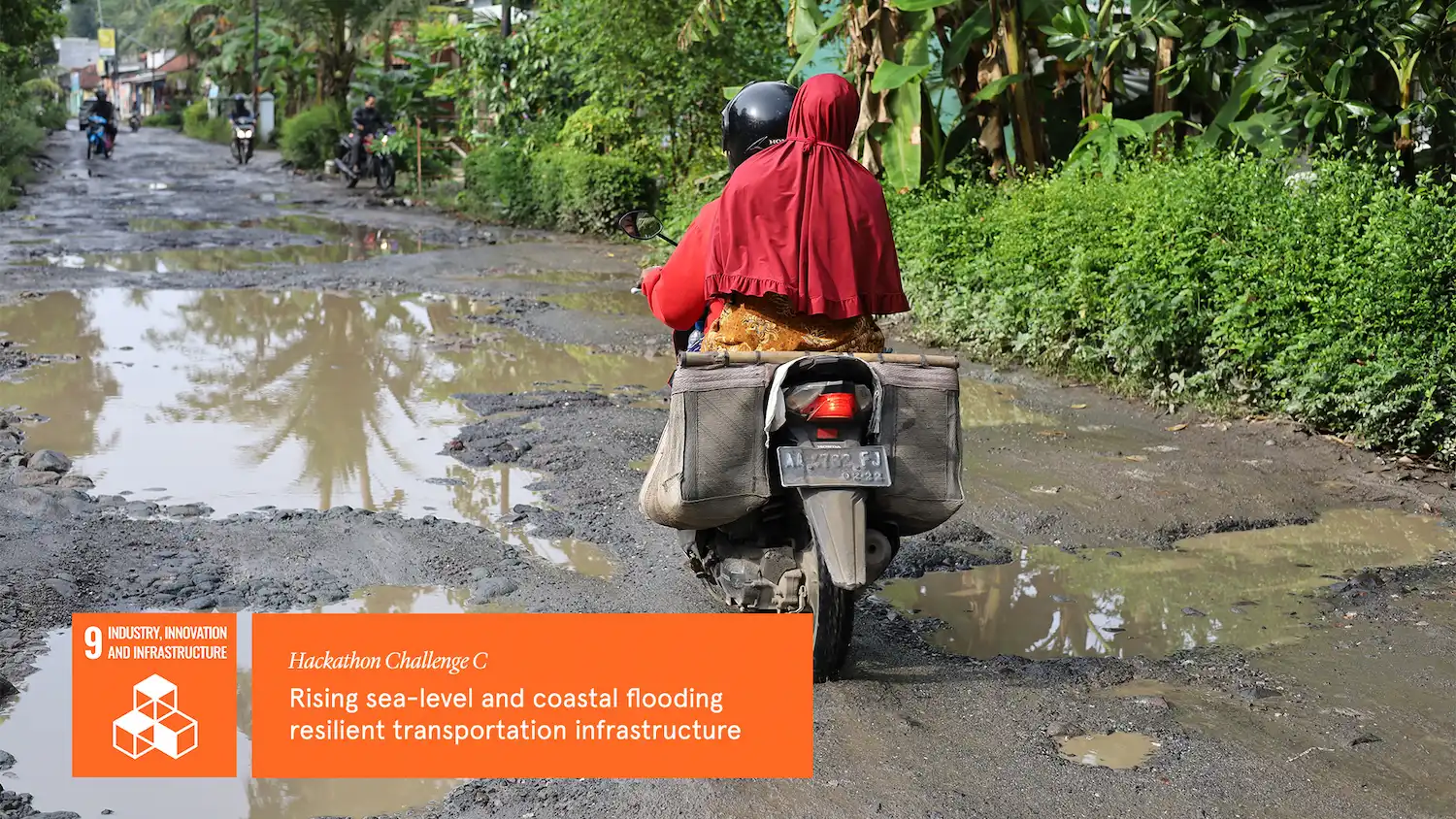
Challenge C
Rising sea-level and coastal flooding resilient transportation infrastructure
Meet Our 2022 Winners
The 2022 Humanitarian Innovation Hackathon challenged participants to develop solutions addressing food security, access to information, education, clean water and community health following the Tonga volcanic eruption. These winning teams stood out for their innovation, collaboration and commitment to creating meaningful impact.
First Place
Team Ashaway
Henry Howard, Vicky-Rae Reed, Hogun Lim, Nadia Akbar
University of Queensland, Monash University, University of Sydney and Western Sydney University
Second Place
Team Alma Aqua
Alex Hofman, Alex Qin, Nyamjargal Namsraijav, Shute Zhang
University of Sydney, Monash University, Australian National University and University of Adelaide
Special Commendation
Team Alma Aqua
Alex Hofman, Alex Qin, Nyamjargal Namsraijav, Shute Zhang
University of Sydney, Monash University, Australian National University and University of Adelaide
2022 Hackathon Challenges
In 2022, teams focused on improving access to essential services, education, health and information to help build
stronger and more resilient communities across the Pacific.
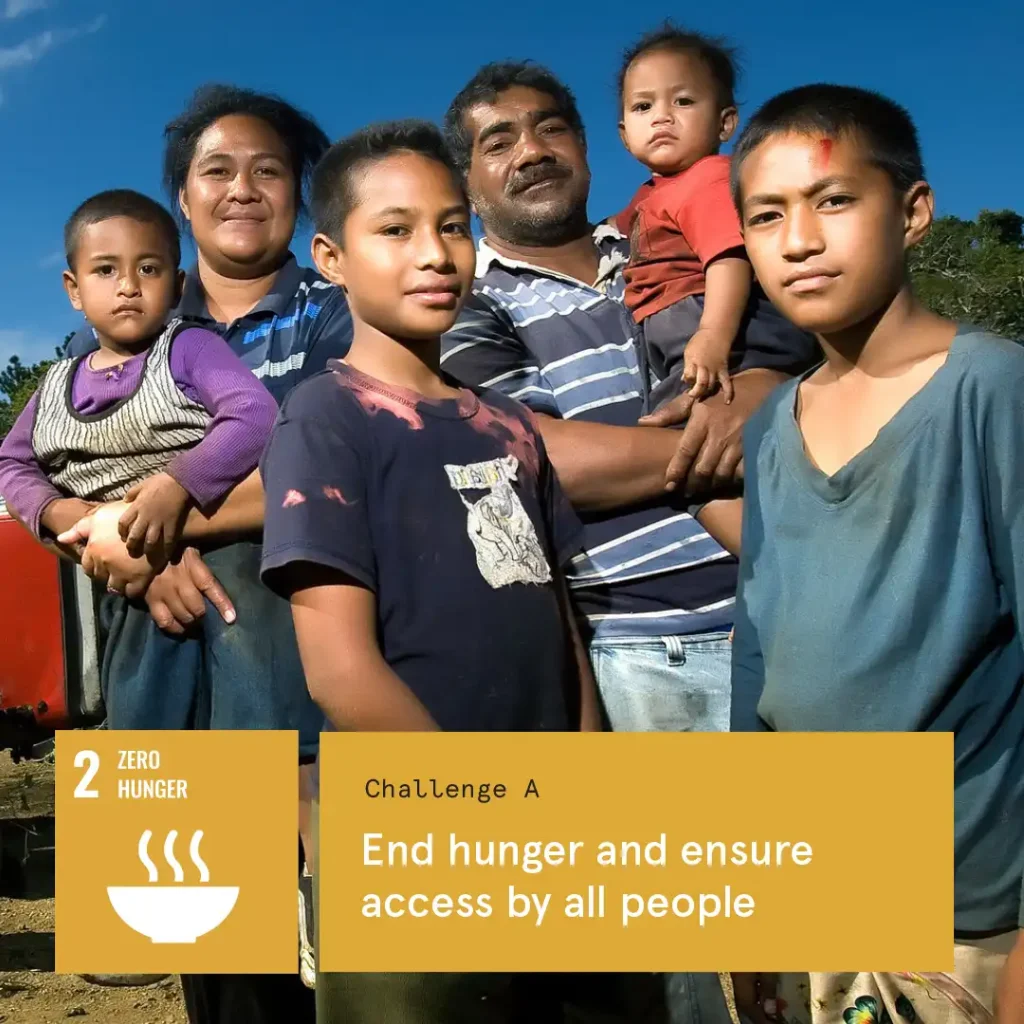
Challenge A
End hunger and ensure access by all people
Challenge B
Increase access to information
Challenge C
Ensure inclusive and equitable quality education
Challenge D
Availability and sustainable management of water
Challenge E
Ensure health lives and promote well-being
Meet Our 2021 Winners
The 2021 Humanitarian Innovation Hackathon brought together students from across Australia to develop innovative solutions to real-world challenges facing Pacific communities. These winning teams stood out for their creativity, collaboration and commitment to creating meaningful impact.
First Place
Team Aegis
Edith Lume, Mansour Adie, Thomas Sau, Ivy He
University of Wollongong, University of Sydney, Macquarie University
Second Place
Solomon Says
Emily Sacks, Gayathri Aranhiyullathil Pradeep, Rebecca Kung, Akrita Singh, Aishwarya Kathikeuan
University of Sydney, University of New South Wales, Macquarie University
2021 Hackathon Challenges
In 2021, the Hackathon invited participants to develop innovative solutions to some of the Pacific region’s most pressing social, environmental and economic challenges. Teams explored practical ideas that could strengthen communities, improve resilience and create a more sustainable future.
Challenge A
Key Immediate Needs
Challenge B
Education for the Future
Challenge C
Mental Health and Wellbeing
Challenge D
Island Economies
Challenge E
Food Security
Challenge F
War on Plastic
Meet Our 2020 Winners
The 2020 Humanitarian Innovation Hackathon brought together students from across Australia to develop practical engineering and technology solutions for real-world humanitarian challenges. These winning teams were recognised for their innovation, collaboration and commitment to creating meaningful impact for Pacific communities.
First Place
H2Archipelago
Alex Hofmann, Allan Soo, Ben Hofmann, Emily Unewisse, James Hurst
Monash University, University of Technology Sydney, Australian National University, University of Adelaide
Beyond Essential Humanitarian Internship Appointent
Winter is not Coming
Katia Moors, Thomas Sau
University of Sydney, Macquarie University
First Prize for Best Humanitarian Digital Innovation
Greys Humanity
Alida Fois, Celina Dhobbie, Charvi Mamidi, Portia Sihvola
University of Melbourne, Monash University, University of Sydney, Queensland University of Technology
econd Prize for Best Humanitarian Digital Innovation
Fortitude
Avanish Shrestha, Isabella Notarpietro, Rafe Skidmore, Meg Phillips, Syed Emaad Rizwan
University of Sydney, University of New South Wales, University of Tasmania, Macquarie University
2020 Hackathon Challenges
In 2020, teams focused on improving health, education, climate resilience, water security and sustainable economic development through practical engineering and technology solutions.
Challenge A
Healthy People
Challenge B
Educating for the Future
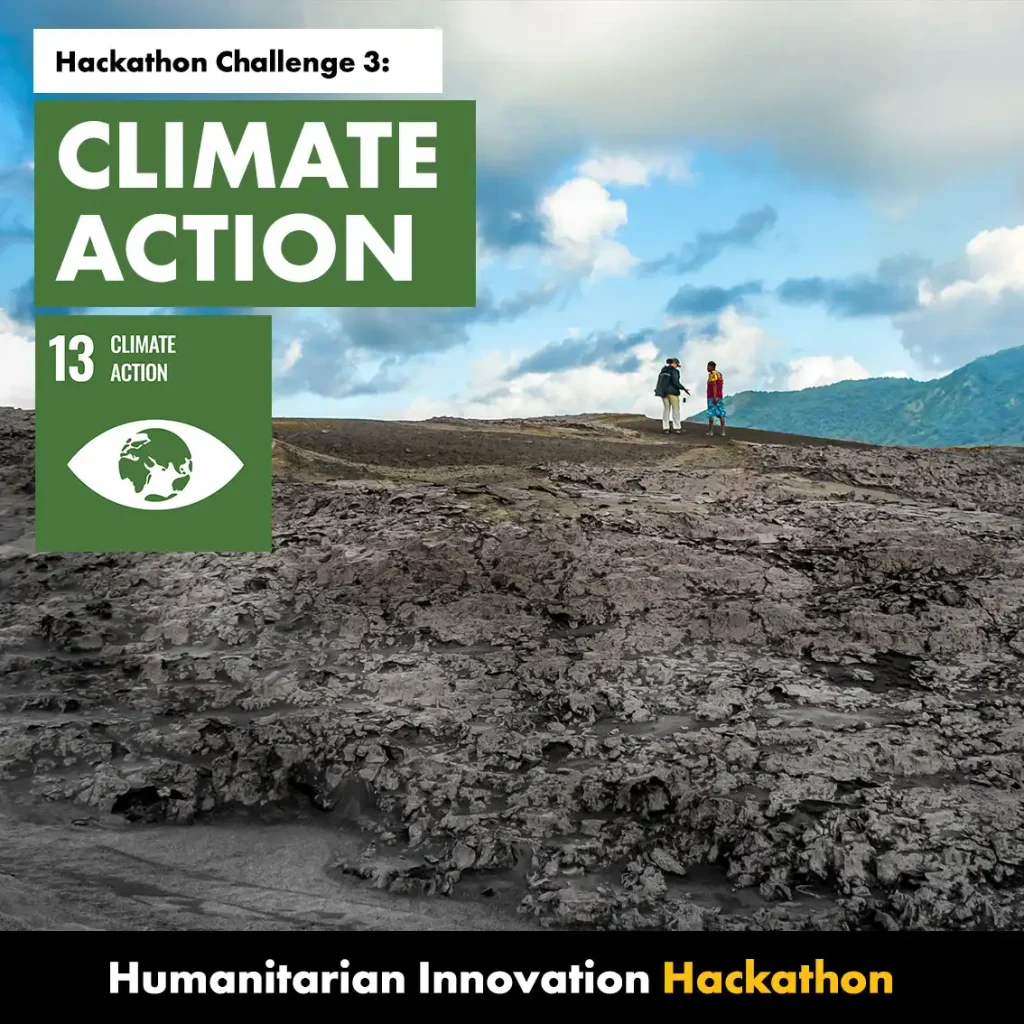
Challenge C
Climate Action
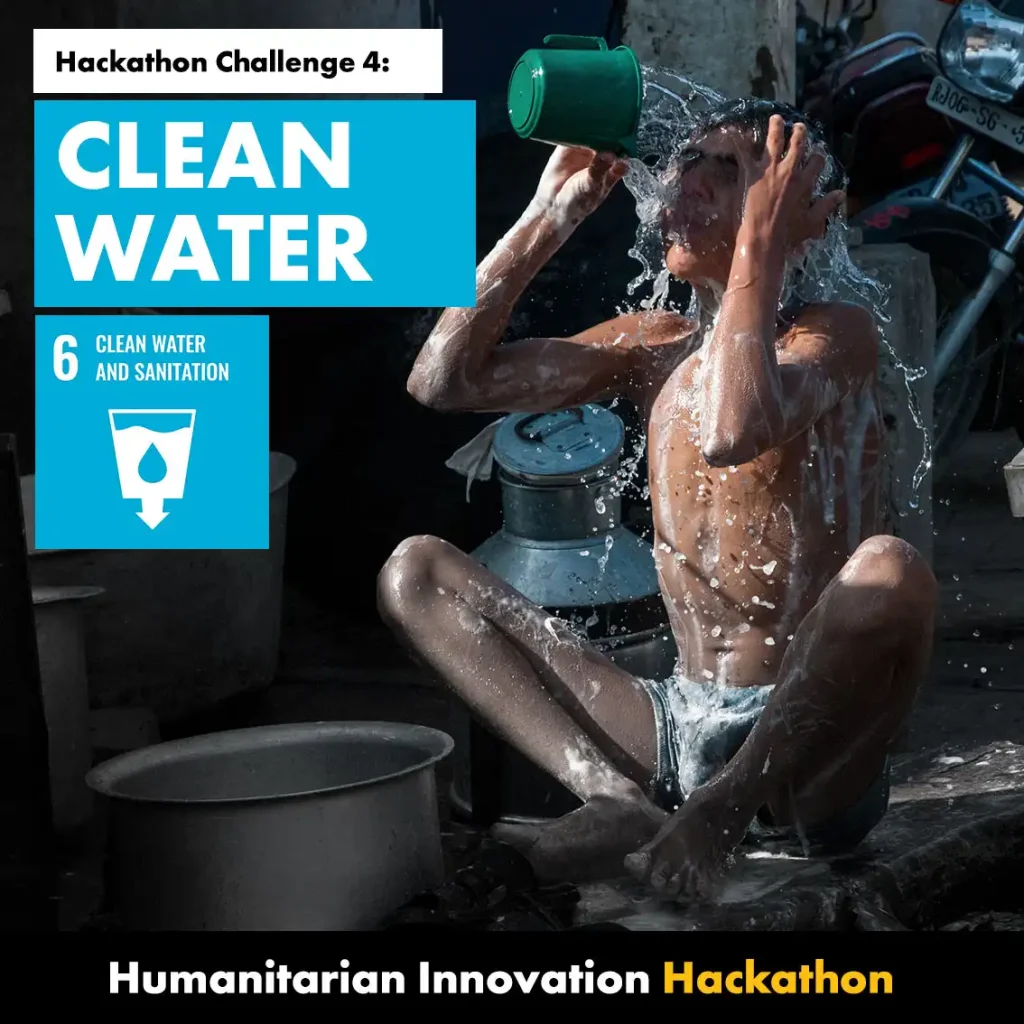
Challenge D
Clean Water
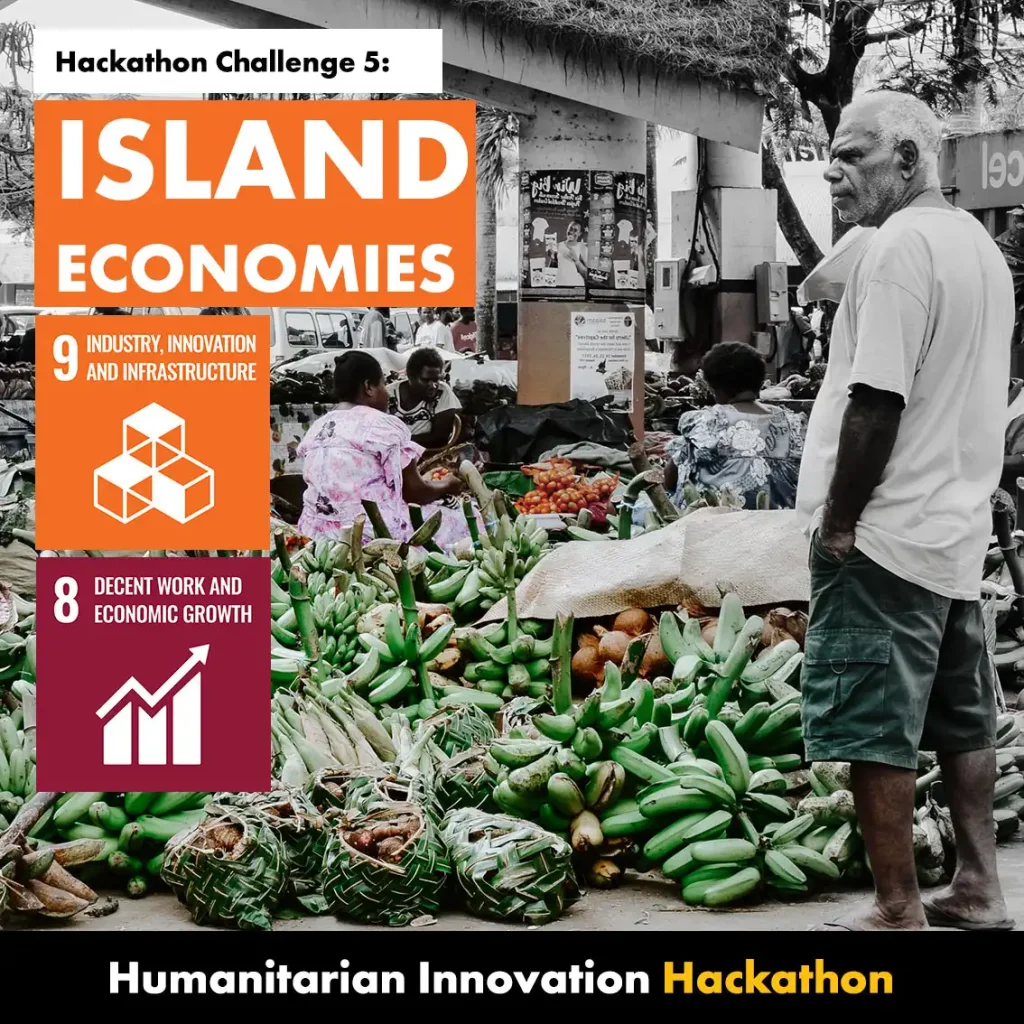
Challenge E
Island Economies
Meet Our 2019 Winners
The 2019 Humanitarian Innovation Hackathon marked another year of students coming together to tackle real-world humanitarian challenges through innovation and collaboration. These winning teams were recognised for their creative thinking, teamwork and practical solutions to issues affecting communities across the Pacific.

First Place
Fran’s boys
Cameron Choi, Fransiska Bekti, Kevin Miao, Mark Cavanna, Terrence Darma
University of Sydney

Second Place
Whereto
Aisha Warsame, Brittany Gardner, Harshita Jyoti, Madeline Liddle, Seo Woo Bae
Deakin University, University of Sydney, Australian National University
Third Place
Illuminate
Adele van der Winden, Liam McAllister, Riley de Jong, Tasfia Quader, Thomas Larkin
Queensland University of Technology, Macquarie University, Australian National University
2019 Hackathon Challenges
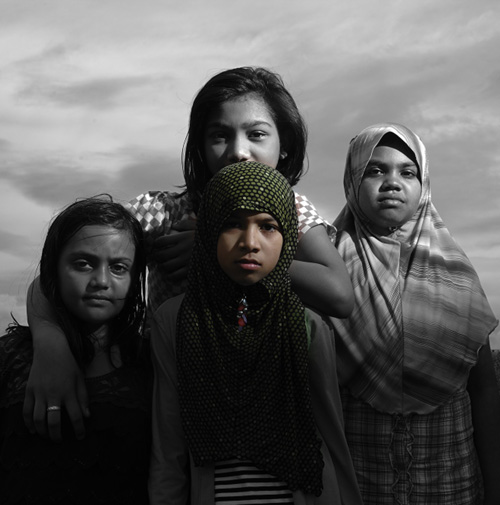
In 2019, students from across Australia gathered in Sydney for the first Humanitarian Innovation Hackathon.
Students worked with RedR Humanitarian Mentors to develop innovative solutions to some of the challenges
facing the refugee camp Cox’s Bazar in Bangladesh.
Challenge A
Affected Populations
Gender Based Violence risk mitigation through environmental design

Challenge B
Climate
Monsoonal flooding

Challenge C
Nature
Pachyderm panic (Managing elephant migration)

Challenge D
Shelter
Pachyderm panic (Managing elephant migration)
About Ron Johnston
Professor Ron Johnston, the former Executive Director of the Australian Centre for Innovation (ACIIC), has worked for more than 30 years to pioneer a better understanding of the ways that science and technology contribute to economic and social development, the characteristics of the global knowledge economy, and the processes and culture of innovation.
His special skill is based on the breadth of his knowledge across technologies and his ability to integrate them into a socioeconomic and environmental context.
These annual awards are named in honor of him, to recognise his outstanding contributions as Director of ACIIC for some 20+ years.